


Views: 0 Author: Site Editor Publish Time: 2026-10-14 Origin: Site


Choosing a release liner is never just a minor packaging detail. Instead, it serves as a critical variable dictating yield rates in modern electronics manufacturing. A single liner failure can easily cascade into catastrophic production bottlenecks. Today, the industry continues shifting rapidly toward incredibly tight tolerances. Processes involving advanced die-cutting and cleanroom assembly demand flawless execution at every step. Sensitive components require manufacturing environments completely free of microscopic contaminants. Flexible Printed Circuits and Optically Clear Adhesives simply cannot tolerate particulate pollution.
This article delivers an objective, data-backed comparison between polymer and cellulose substrates. Procurement and engineering teams will discover exactly how to align liner materials directly to specific assembly environments. We provide actionable insights to streamline your next product launch. You will learn to navigate strict compliance requirements, prevent material failure, and safeguard product integrity effectively.
Liner failure impacts your bottom line immediately. Poor liner choices lead directly to unwanted adhesive transfer. This defect occurs when the release coating fails chemically or mechanically. The adhesive sticks permanently to the liner backing. This failure destroys the electronic component before it even reaches the assembly line. Static discharge damage poses another severe threat. Stripping a poorly chosen liner generates massive static voltage. This sudden voltage spike easily fries sensitive microprocessors nearby. Optical distortion also ruins expensive display assemblies. Rough liner surfaces imprint their microscopic texture directly into soft adhesives. This imprinting creates highly visible flaws in modern OLED screens.
Engineers must recognize exactly how these issues destroy profit margins. You must establish strict success criteria. What does a successful liner integration look like? A highly optimized process maintains a perfectly consistent release force. We measure this consistency across the entire length of the roll. Erratic release forces cause tension spikes during unwinding. These spikes stretch or snap delicate electronic tapes. Furthermore, successful integration guarantees zero contamination across the production floor. Finally, it ensures highly precise die-cut depth. You achieve accurate kiss-cutting without causing premature anvil wear on your machines.
We evaluate two primary substrates to achieve these critical metrics. Polymer-based films lead the high-end precision market. Polyethylene Terephthalate (PET) remains the primary polymer choice. Cellulose-based options dominate broader, less sensitive applications. Glassine and Polycoated Kraft represent the standard cellulose choices. Both materials offer distinct advantages depending on your exact engineering parameters.
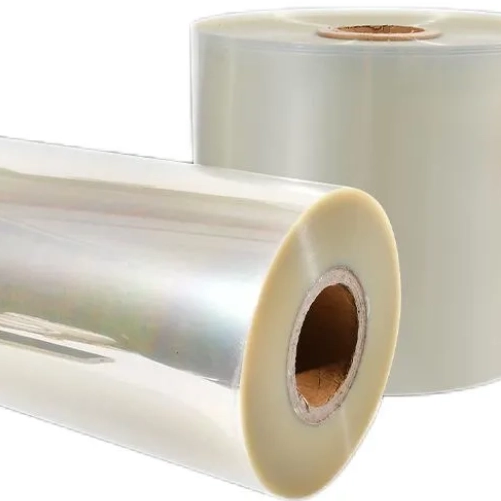
Let us define the standard types of release paper utilized across the industry. Manufacturers commonly rely on Glassine and Polycoated Kraft (PCK). Glassine undergoes an extensive calendering process. Heavy steel rollers compress the wood pulp fibers under extreme pressure. This compression creates a dense, smooth surface ideal for silicone coating. Polycoated Kraft adds a thin protective layer of polyethylene plastic. This plastic layer seals the naturally porous paper surface effectively.
Where do these cellulose materials excel? They offer significant cost-efficiency for high-volume production runs. Projects featuring low-sensitivity requirements benefit immensely from this material. Natural cellulose fibers dissipate static electricity quite naturally. This characteristic provides a much lower electrostatic discharge (ESD) risk straight out of the box. Workers also find paper liners exceptionally easy to handle. Manual assembly processes benefit greatly from the slightly textured grip of paper substrates.
However, modern electronics manufacturing exposes several critical limitations. Cellulose easily absorbs moisture from the surrounding factory environment. This rapid absorption leads directly to curling. It causes severe dimensional warping on the automated assembly line. The material also generates microscopic cellulose dust during edge slitting operations. Such contamination proves highly unsuitable for ISO Class 5 cleanrooms. Finally, inherent thickness variance heavily impacts precision rotary die-cutting. Narrow web presses struggle with inconsistent paper calipers. Operators constantly adjust cutting pressure to avoid damaging the underlying components.
Polyethylene Terephthalate films dominate precision manufacturing sectors completely. Suppliers coat them using specialized surface chemistry. They apply advanced silicone or non-silicone release systems. The resulting performance advantages remain substantial and highly measurable. Biaxially oriented PET provides incredible internal stability. It lacks volatile plasticizers, completely preventing unwanted outgassing.
PET boasts an ultra-smooth surface topography. Surface roughness values remain exceptionally low compared to paper. This smoothness is critical for Optically Clear Adhesives (OCA). Modern smartphone displays demand flawless adhesive clarity without any "orange peel" textures. High tensile strength easily prevents web breaks. Automated, high-speed peeling machinery requires immense material strength. Furthermore, polymer films guarantee zero particle shedding. They integrate perfectly into the strictest ISO cleanroom protocols.
Why is the 50μm PET release film heavily specified today? Engineers rely on it heavily as the absolute standard baseline. It provides the optimal balance of physical stiffness. Auto-dispensing equipment demands rigid backing to function properly. A 50-micron film navigates sharp peel plates flawlessly. It also retains enough flexibility for efficient roll formatting. Despite these massive benefits, teams must navigate certain specific trade-offs. You will face noticeably higher raw material costs. You also face the strict necessity for engineered anti-static treatments. Untreated polymer generates dangerous triboelectric charges during rapid peeling.
Selecting the right substrate demands analyzing specific engineering outcomes. The direct PET release film vs release paper comparison highlights stark operational differences. Procurement teams cannot rely on price alone. You must align physical material properties directly with factory conditions. We use the following matrix to outline crucial performance metrics.
Release Liner Substrate Performance Comparison
| Performance Feature | PET Release Film | Release Paper (Glassine / PCK) |
|---|---|---|
| Particle Shedding | Near-zero (Cleanroom compatible) | Moderate to High (Generates cellulose dust) |
| Die-Cutting Precision | Excellent (Hard, uniform caliper) | Fair to Good (Thickness variance requires wider tolerances) |
| Moisture Resistance | Superior (Unaffected by humidity) | Poor (Prone to curling and edge wicking) |
| Surface Smoothness | Ultra-smooth (Ideal for optical adhesives) | Textured (Can imprint on soft adhesives) |
| Static Generation | High (Requires anti-static coating) | Low (Natural moisture aids dissipation) |
PET provides zero shedding and exceptionally low outgassing properties. It keeps sensitive manufacturing environments completely pristine. Medical devices and precision camera modules require this absolute cleanliness. Paper invariably generates micro-dust during edge slitting. It also presents potential silicone transfer risks. Rougher natural surfaces require substantially thicker silicone coats. Thicker coats sometimes transfer unwanted residues onto the adhesive layer.
PET features a notably hard, uniform caliper. This uniformity allows engineers to achieve exact kiss-cutting consistently. The die blade cuts the adhesive perfectly without ever penetrating the liner. Paper possesses a significantly softer backing. This softer texture creates a much narrower window for optimal die pressure. You risk dangerous adhesive bleed frequently. You might also cause catastrophic liner strike-through. A severed liner halts automated assembly lines instantly.
PET remains highly stable under intense heat exposure. High-temperature baking cycles do not warp the polymer film. It stays completely unaffected by sudden ambient humidity shifts. Paper shrinks or expands noticeably along with environmental moisture changes. A humid factory floor easily causes paper liners to wave. Wavy liners misalign components completely during robotic pick-and-place operations.
Transitioning materials introduces distinct operational challenges. Factory managers must update their standard operating procedures accordingly. We can categorize these transition challenges into three primary risks.
Engineering teams should apply strict logic when matching substrates. Unnecessary over-engineering wastes your valuable budget. Conversely, under-engineering creates unacceptable product failure rates. Use the following guidelines to streamline your procurement process effectively.
When to Specify Release Paper:
When to Specify PET Release Film:
Next Steps: We advise procurement managers to request sample rolls early. Always conduct rigorous tension testing on your specific converting machinery. Perform exhaustive die-cut qualification trials. Verify release force consistency before ever authorizing bulk purchasing.
The choice between polymer films and cellulose papers requires calculated risk management. It directly dictates yield optimization strategies across the factory floor. Procurement teams must view release liners as highly active manufacturing components.
Cellulose options serve reliably in peripheral components. However, precision engineering dictates entirely different standards today. The stringent demands of modern miniaturized electronics change the entire equation. Strict optical clarity requirements make polymer films definitively safer for core assemblies.
Take immediate action by consulting closely with your material engineers. Map out a comprehensive cost-of-failure analysis carefully. Compare these severe failure costs directly against the raw price-per-square-meter of your selected liner. Smart substrate selection protects your brand reputation immensely.
A: Generally no, due to heavy particle shedding from natural paper fibers. Slitting and die-cutting release paper constantly generates microscopic cellulose dust. This contamination severely violates strict ISO cleanroom standards. If paper remains absolutely necessary, heavily poly-coated kraft (PCK) limits some shedding. However, PET remains the definitive, standard choice for sensitive cleanroom environments.
A: It provides the exact stiffness required for high-speed automated label applicators. A 50μm film navigates tight peel plates flawlessly without breaking or stretching. Simultaneously, it remains thin enough to maximize overall roll length. This critical balance reduces frequent roll changeovers while guaranteeing precise dispensing during rapid assembly operations.
A: Standard untreated PET generates dangerous static voltages during high-speed peeling. However, specialized electronics-grade PET films prevent this issue entirely. Manufacturers treat them directly with engineered anti-static (AS) coatings. These specialized treatments keep surface electrical resistance strictly within safe thresholds, typically resting between $10^6$ and $10^9$ ohms.
A: PET allows for highly consistent, perfectly uniform release forces. The release coating sits on a perfectly flat, non-porous surface. This allows exact tuning from ultra-light to heavy release. Paper features a naturally porous surface. It requires substantially more coating to fill microscopic voids, leading to minor force variations across the roll.


