


Views: 0 Author: Site Editor Publish Time: 2026-09-30 Origin: Site


Procurement managers face a relentless daily conflict. You must constantly balance the working capital tied up in high Minimum Order Quantities (MOQs) against the severe production risks associated with long lead times. This challenge multiplies rapidly when sourcing specialized materials. The supply chain context for 95gsm PCK (Poly Coated Kraft) release paper is particularly complex. The manufacturing process involves specialized poly-coating operations followed by highly precise silicone application. Custom slit widths and bespoke release force requirements inherently disrupt standard production schedules. This delicate balance demands strategic planning to prevent costly line stoppages while simultaneously controlling your warehouse holding costs.
We designed this article as a highly practical blueprint for industrial buyers. You will learn how to systematically de-risk your material scheduling. We explore proven methods to align internal forecasting, establish smart inventory buffers, and evaluate potential manufacturing partners. By the end, you will understand how to bypass standard bottlenecks. Read on to master MOQ constraints, minimize delays, and build a highly resilient procurement framework.
Standard MOQs for 95gsm PCK release paper typically depend on master roll widths; understanding this prevents over-ordering.
Lead times can be tiered; buyers can leverage forecasting and blanket orders to simulate shorter delivery windows.
Supplier reliability is measurable: strict Service Level Agreements (SLAs) and transparent raw material sourcing are non-negotiable for stable production scheduling.
Profitability doesn't have to be sacrificed for speed if buyers utilize structured inventory buffering techniques.
Manufacturing high-quality pck release paper begins with massive master rolls. Factories first apply a moisture-resistant poly-coating to the raw kraft paper. They subsequently add a precise silicone release layer. These continuous industrial processes require significant upfront machine setup and thermal calibration. Therefore, manufacturers strictly base their production minimums on master roll yields. They usually measure these MOQs in raw tonnage or total square meters. You simply cannot order a fraction of a master run without paying for the wasted material. Understanding this base geometry helps buyers optimize their order volumes. If a master roll yields 10,000 square meters, ordering 12,000 square meters forces the supplier to run two full rolls, generating immense excess.
Custom engineering requests drastically alter production speed. Modifying specific 95gsm pck release paper specifications impacts both minimum requirements and time-to-delivery. For example, demanding double-sided silicone coating requires a second pass through the coating machinery. Achieving specific, tightly controlled release force values demands bespoke silicone formulation adjustments and extended curing tests. Furthermore, requesting unusual slit widths inevitably generates unusable edge offcuts. Suppliers automatically increase their MOQs to absorb this material loss. A common mistake is assuming minor specification tweaks will not impact delivery schedules. Every custom variable pushes your order further back in the production queue.
Buyers must clearly distinguish between raw material lead times and converting schedules. Procuring the base kraft paper might take several weeks alone. Once raw materials arrive at the factory, poly-coating, silicone application, and slitting add further delays. A realistic domestic delivery schedule generally spans four to six weeks. International shipments frequently stretch this timeline to eight or twelve weeks. Ocean transit durations, port congestion, and unpredictable customs clearance drive this extension. We highly recommend factoring these logistical delays into your baseline planning.
Table: Realistic Lead Time Baselines for PCK Release Paper
Production Stage |
Domestic Supply (Weeks) |
International Supply (Weeks) |
Key Delay Factors |
|---|---|---|---|
Raw Material Sourcing |
1 - 2 |
2 - 3 |
Kraft paper availability, resin shortages |
Coating & Curing |
1 - 2 |
2 - 3 |
Machine scheduling, quality assurance testing |
Slitting & Converting |
1 |
1 - 2 |
Custom slit width complexity |
Transit & Logistics |
1 |
3 - 4 |
Ocean freight, customs clearance, port strikes |
Total Estimated Lead Time |
4 - 6 Weeks |
8 - 12 Weeks |
Varies based on seasonality |
Shutting down a fast-moving production line drains overall profitability immediately. Manufacturing operations relying on continuous adhesives or tape assembly cannot tolerate missing liner materials. Conversely, filling your warehouse with excessive inventory locks up vital cash flow. You must carefully weigh the severe financial risk of line stoppages against daily warehouse storage costs. A balanced approach minimizes panic ordering and stabilizes cash reserves. Best practice dictates calculating the exact hourly cost of a factory shutdown. Compare this figure against the monthly cost of storing an extra pallet of materials. This simple math usually proves that holding strategic safety stock is cheaper than risking a halt.
Modern manufacturing supply chains rely heavily on robust planning software. You must input highly accurate baseline lead times into your standard MRP or Demand Driven MRP (DDMRP) systems. Standard MRP software calculates material requirements backward from a final delivery due date. In contrast, DDMRP introduces dynamic inventory buffers to absorb unexpected supply shocks. Both systems require precise, updated supplier data to function correctly. A common mistake is setting lead times in the software once and never updating them. You should review and adjust these system parameters quarterly. Engage your supplier directly to update these transit estimates.
Industrial 95gsm pck release paper requires strict, climate-controlled storage conditions. Extreme humidity or high heat rapidly degrades the silicone release layer. You should establish strict rules for minimum safety stock based on these shelf-life realities. First, determine your factory's average daily usage rate. Second, calculate the maximum supplier delay experienced over the past calendar year. Third, set your buffer stock to cover this specific gap safely. You must ensure your warehouse team rotates this stock diligently. Operating on a strict First-In, First-Out (FIFO) basis prevents material expiration and subsequent quality failures.
You can effectively bypass high minimums by negotiating annual volume commitments. This approach empowers your manufacturing partner to run massive, highly efficient batches. They easily meet their internal machine MOQ requirements. In return, they release smaller inventory batches to you on a staggered, flexible schedule. This strategy shortens your effective material lead time from months to mere days. You secure favorable bulk pricing while avoiding warehouse overflow. Ensure your contract clearly defines maximum holding times for these call-off orders.
Custom roll sizes create immediate bespoke production bottlenecks. Evaluate your current factory converting operations critically. Can you consolidate multiple custom sizes into just one or two standard widths? Standardizing your input material bypasses long custom slitting queues. This simple engineering change significantly reduces routine procurement delays. Best practice involves bringing your production engineers and procurement team together. They should map out how a standardized slit width might slightly alter production but vastly improve material availability.
You should actively shift the holding burden off your own balance sheet. Under a formal Supplier-Managed Inventory agreement, the manufacturer holds your finished goods in their own warehouse facility. You generally only pay when you actually pull the inventory into your factory. This advanced strategy drastically cuts your functional lead times. It also guarantees continuous material availability for urgent, unplanned production runs. Be prepared to share transparent, long-term sales forecasts with your supplier to make SMI successful.
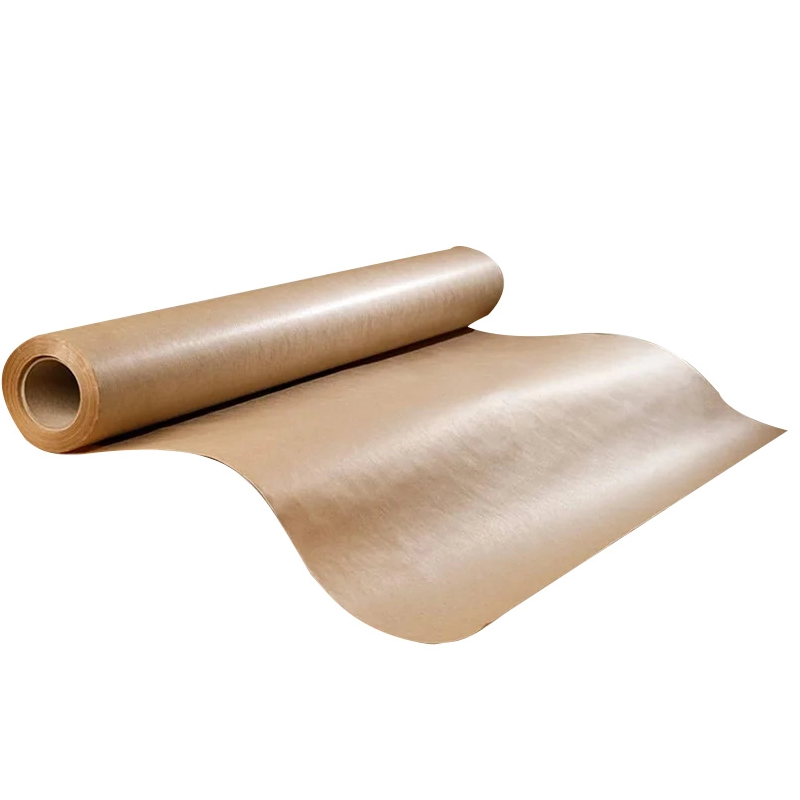
Sophisticated procurement teams evaluate delivery options based on exact urgency. Think of this approach as a strategic supply chain menu. You simply choose the service tier that matches your immediate production threat level. This flexibility prevents you from paying rush fees on routine orders. It also provides an emergency escape valve when internal forecasting fails. Discussing this tiered framework during initial contract negotiations sets clear expectations.
This baseline tier offers the highest possible cost-efficiency. It requires strict, uncompromising adherence to standard supplier MOQs. Standard runs work best for highly forecasted baseline volumes. You secure the absolute lowest per-unit price by allowing the factory ample scheduling flexibility. You must plan these orders weeks in advance. Use this standard option for at least eighty percent of your annual purchasing volume.
Emergencies happen in every manufacturing environment. Rush runs often offer lower or highly flexible MOQs. However, they always carry a significant premium cost. You must logically evaluate when this premium is mathematically justified. If expediting saves a highly profitable client production run from cancellation, the premium easily pays for itself. Common mistakes include overusing expedited runs to cover up lazy internal forecasting. Save this option strictly for true, unavoidable emergencies.
You do not need to air-freight an entire bulk order. Negotiate partial air shipments for your immediate, pressing needs. Keep the remaining bulk volume moving on a standard, economical sea freight schedule. This blended logistical approach perfectly balances urgent supply needs against massive freight costs. Always calculate the break-even point between air freight premiums and potential factory downtime.
You must rigorously verify who actually manufactures your materials. A legitimate 95gsm pck release paper supplier owns their coating machinery and slitting facilities. This ownership represents a massive green light. Facility ownership guarantees manufacturing agility and scheduling control. Conversely, many companies act merely as brokers. They pass your orders to hidden third-party mills. This broker model introduces severe, unpredictable lead time variability. Treat broker setups as a major red flag during your initial supplier audit.
Handshake agreements routinely fail under pressure. Demand strict, legally binding Service Level Agreements (SLAs). Include clear financial clauses regarding late delivery penalties. Negotiate specific MOQ flexibility thresholds for your off-peak seasons. A reliable, confident manufacturer will happily sign these performance guarantees. If a supplier balks at reasonable late penalties, they likely struggle with internal production control.
Procurement speed must never compromise product quality. Shorter lead times should absolutely not bypass strict QA testing. Manufacturers must routinely perform silicone curing tests and coat weight consistency checks. Ask for their specific material traceability protocols. You need detailed batch numbers linking every finished roll back to its raw material source. This traceability protects you during catastrophic downstream product failures.
Initiate your next Request for Quote (RFQ) systematically. Follow this actionable checklist to demand total transparency:
Define exact coating weights and required release force values upfront.
Demand transparent MOQ breakdowns based entirely on master roll yields.
Request clear estimates for standard, expedited, and SMI lead times.
Ask for formal QA documentation and laboratory testing procedures.
Review their willingness to accept financial penalties for delayed shipments.
Mastering material MOQ and delivery lead times is fundamentally about operational process alignment. It extends far beyond merely negotiating numbers on a spreadsheet. You must successfully bridge your internal factory forecasting with your supplier's physical manufacturing constraints. Partnering with a fully transparent, capacity-owning supplier serves as your ultimate hedge against daily supply chain disruptions. They provide the critical agility needed to weather unexpected market demand spikes. We strongly prompt procurement managers to audit their current supply constraints immediately. Request a physical sample roll and schedule a baseline lead-time consultation today. Taking decisive action now will firmly protect your production lines tomorrow.
A: The typical shelf life ranges between 6 to 12 months. Strict climate-controlled storage conditions dictate this limit. High humidity degrades the silicone release layer. Ordering massive MOQs to secure a lower price risks severe material expiration before you consume it. Always align order sizes with your six-month usage forecast.
A: Trim waste dictates this outcome. If your requested custom slits perfectly optimize the master roll width, MOQs remain stable. However, if your dimensions create excessive edge waste, the buyer pays for that unutilized paper. Manufacturers simply increase the minimum order to cover the lost raw material.
A: Ocean transit buffers absorb constant delays. Port congestion, vessel shortages, and customs holds disrupt schedules unpredictably. Standard material requirement planning formulas must account for these transit variabilities. Adding a two-week safety buffer specifically for international logistics helps prevent catastrophic factory line stoppages.


