


Views: 0 Author: Site Editor Publish Time: 2026-09-22 Origin: Site


For procurement and R&D engineers, relying on off-the-shelf release liners seems highly cost-effective initially. This perception changes rapidly when unexpected adhesive lock-up halts your continuous production line. Unwanted silicone transfer can easily ruin entire coating batches overnight. We see this specific problem frequently in high-stakes industrial manufacturing.
While standard films suit general applications perfectly well, specialized manufacturing environments expose their hidden limitations. High-temperature curing processes heavily stress generic thermal tolerances. Advanced pressure-sensitive adhesives require perfect liner synergy to function safely. Settling for average materials introduces immense quality risks into your supply chain.
This guide breaks down the exact technical thresholds you must monitor closely. We explore the critical business scenarios where transitioning to a custom pet release film becomes a strict necessity rather than an optional upgrade. You will learn how to shift operations from reactive troubleshooting to proactive material specification.
Customization is mandatory when standard films cause unacceptable silicone transfer, inconsistent peel forces, or dimensional instability during high-stress processes.
Modifying pet release film specifications (such as adjusting release force from ultra-light to heavy) directly impacts long-term adhesive viability and shelf life.
Assessing a pet release film supplier for custom projects requires auditing their testing capabilities, particularly regarding aging data and coating precision.
Moving to custom films involves upfront prototyping and MOQ commitments, requiring a clear ROI calculation based on reduced defect rates and improved end-user application.
Standard films optimize primarily for volume and average use cases. Suppliers manufacture them to serve the broadest possible market denominator. Conversely, custom films optimize for your exact adhesive chemistry. They adapt perfectly to unique processing environments. Engineers often stretch standard liners beyond their intended limits. This habit creates unnecessary risks during tape lamination and end-user application.
You must constantly compare the premium of custom formulation against operational risks. Standard materials might save a few pennies per square meter upfront. However, scrapped batches cost factories thousands of dollars instantly. Premature tape degradation leads to catastrophic product failure in the field. The resulting brand damage severely outweighs any initial purchasing savings. We highly advise engineering teams to calculate the tangible risk of material rejection.
Defining clear baseline success criteria helps guide this transition. Establish a maximum allowable release force variance over a strict 12-month shelf life. Conduct accelerated aging tests to simulate long-term storage conditions. If standard films fail this baseline stress test, customization becomes absolutely required. Do not accept marginal testing failures when scaling production.
Standard vs. Custom Baseline Metrics Comparison
Performance Metric | Standard PET Liners | Custom PET Liners |
|---|---|---|
Release Force Tolerance | ± 20% to 30% variance | ± 5% to 10% variance |
Silicone Transfer Rate | Moderate (acceptable for general packaging) | Ultra-low (engineered for electronics/medical) |
Thermal Shrinkage | Up to 1.5% at 150°C | Less than 0.5% at 150°C (Annealed) |
Development Lead Time | Off-the-shelf (Immediate) | 4 to 8 weeks for prototyping |
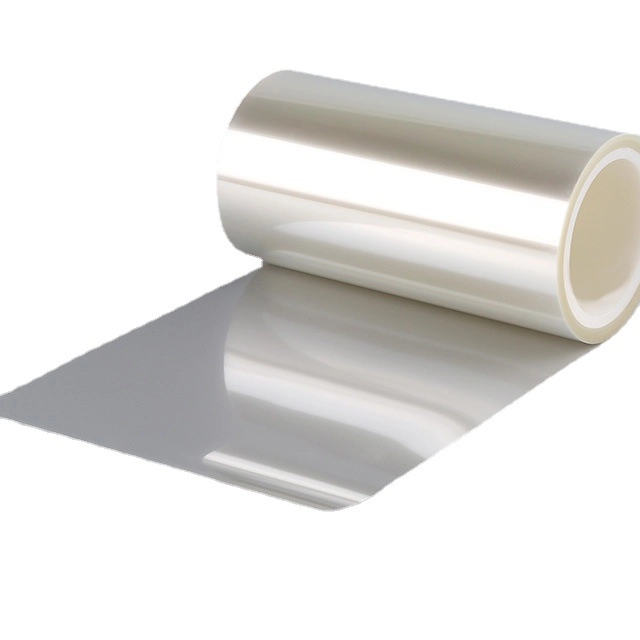
When do generic films actually fail in the real world? Recognizing specific performance gaps prevents disastrous manufacturing shutdowns. Engineers must monitor these distinct technical triggers.
Long-term contact with aggressive pressure-sensitive adhesives often initiates detrimental silicone migration. Unreacted silicone molecules slowly transfer from the liner surface onto the adhesive layer. This chemical migration completely ruins the adhesive tack. End-users will suddenly notice the tape failing to bond to target surfaces. We frequently observe this failure in modified acrylic and silicone adhesives.
The lock-up effect represents an even more severe timeline failure. Over several months, adhesives can bond permanently to standard release liners. When operators attempt to peel the liner away, the film tears or pulls the adhesive off the substrate completely. Custom curing processes mitigate this hazard effectively. Formulators utilize platinum-catalyzed thermal curing systems. These specialized systems guarantee high cross-linking density, locking the silicone permanently to the base substrate.
Engineers must carefully differentiate PET from PE or PP liners. Polyethylene (PE) melts rapidly at moderate temperatures. Polypropylene (PP) stretches and distorts under slight thermal stress. PET naturally handles heat much better. However, proprietary high-heat manufacturing steps still challenge standard PET variants.
Standard PET often shrinks when exposed to intense 150°C curing ovens. This thermal shrinkage ruins downstream die-cut precision entirely. Customization solves this through advanced in-line thermal annealing. Suppliers pre-shrink the substrate before applying the silicone coat. This custom step ensures the liner remains perfectly flat during your most aggressive high-temperature tape manufacturing processes.
Standard 25μm or 36μm films frequently prove inadequate for specialized tasks. Heavy liners add unnecessary bulk to compact consumer devices. Conversely, overly thin standard films break under high web tension. Modern manufacturing requires extreme precision regarding caliper measurements.
For example, fabricating ultra-thin electronics often requires a highly specific 19 m pet release film. Utilizing a 19-micron substrate allows designers to maintain tight caliper tolerances inside compact smartphone assemblies. Furthermore, specialized die-cutting applications demand perfectly uniform thickness. A custom-specified micron rating prevents the die blade from cutting too deep and ruining the underlying product.
Engineers can manipulate several precise variables to achieve perfect release performance. Understanding these options transforms your product development cycle.
Coating Formulations
You must choose the correct coating chemistry first. Solvent-based silicone coatings provide exceptional smoothness and penetrate the PET surface deeply. Solvent-free silicone coatings offer a more environmentally friendly alternative without volatile organic compounds (VOCs). For highly silicone-sensitive adhesives, you should specify non-silicone coatings. Fluoroplastic coatings act as an excellent barrier, preventing any cross-contamination.
Release Force Targeting
Structuring specifications accurately requires precise numerical targeting. You cannot simply request a "light" or "heavy" peel. Industry standards rely on exact gram measurements per 25mm width.
Super-Light Release: 1-5g/25mm, ideal for large-format laminations requiring minimal effort.
Medium Release: 20-40g/25mm, the standard range for everyday double-sided tapes.
Heavy Release: 100g+/25mm, used for intricate die-cutting to prevent premature part ejection.
Engineers frequently design differential double-sided release films for intricate tape structures. You might specify a light release on one side and a medium-heavy release on the other side. This differential structure ensures the tape unwinds correctly from the roll without confusing assembly operators.
Optical and Surface Finishing
Customizing optical properties plays a crucial role in automated manufacturing. You can adjust color pigments to help visual sensors detect liner presence during rapid assembly. Adjusting transparency levels assists with precise optical alignment. Finally, integrating antistatic (ESD) treatments proves essential for cleanroom environments. ESD coatings prevent static buildup from attracting airborne dust or damaging sensitive microchips.
Adopting custom formulations introduces specific implementation challenges. We believe demonstrating trustworthiness requires acknowledging these difficulties transparently.
The Prototyping Phase
You absolutely cannot skip pilot runs under any circumstances. Custom formulations often behave vastly differently in sterile lab conditions versus full-speed continuous web processing. Lab draw-downs utilize manual tension. Factory coating heads apply immense dynamic stress. Always run a minimum viable pilot batch. This verifies coating uniformity and web tension stability on your actual factory floor.
Aging and Compatibility Testing
Do not rely solely on immediate peel data gathered five minutes after lamination. Adhesives interact dynamically with silicone over time. You must require rigorous aging metrics to prove long-term stability.
7-Day Room Temperature Test: Establishes the initial chemical wetting baseline.
30-Day Room Temperature Test: Monitors early-stage silicone migration and lock-up tendencies.
Accelerated Heat-Aging Test: Simulates one year of shelf life by exposing the laminated materials to 70°C for one week.
Lead Times and MOQs
Engineers must acknowledge the commercial reality of bespoke manufacturing. Custom formulations inherently require longer production lead times. Factories must halt standard production lines, clean coating heads, and mix proprietary chemical batches. This setup requires higher Minimum Order Quantities (MOQs). You must plan your inventory flow accordingly. Proper forecasting prevents disastrous supply chain disruptions during peak manufacturing seasons.
Guiding the procurement team toward capable vendors ensures project success. Not all converting factories handle complex custom work successfully.
Coating Technology & Precision
Look specifically for partners utilizing highly advanced coating heads. Micro-gravure and multi-roll coating systems represent the industry gold standard. These systems guarantee exceptionally uniform coating weights across massive web widths. Uneven coating weight causes inconsistent peel forces, leading directly to tape failure. Ask potential partners about their specific coating head technology.
In-House QA and Testing Labs
A reliable converting partner must replicate your specific tape tests on-site. They need an internal laboratory equipped with standardized testing machines (like those meeting FINAT testing standards). If they cannot replicate your specific peel tests, they cannot guarantee batch quality before shipping. Request a virtual tour of their quality assurance laboratory.
Supply Chain Traceability
Ensure the manufacturer provides comprehensive batch-to-batch consistency reports. Complete traceability remains non-negotiable for medical or aerospace applications. They must track the specific base PET resins and silicone formulations used in every single roll. When a defect inevitably occurs on your line, full traceability allows engineers to isolate the exact root cause immediately.
Customizing PET release film represents a highly strategic investment in overall product reliability. You must implement custom liners when standard tolerances begin compromising adhesive performance or process efficiency. Proactive material specification prevents catastrophic failures and protects your brand reputation in the market.
Before committing to a massive custom production run, execute a few critical next steps. First, request an NDA to protect your proprietary tape designs. Second, share your specific adhesive chemistry details directly with the supplier's chemical engineering team. Finally, always demand a pilot sample tested against your most rigorous accelerated aging metrics.
A: MOQs vary heavily by supplier and coating complexity. They typically start between 10,000 to 20,000 square meters. Specialized optical colors or highly unique micron thicknesses may push this requirement higher. Discuss tiered purchasing agreements with your supplier to manage these upfront volume commitments effectively.
A: Depending on mandatory testing cycles, development usually takes 4 to 8 weeks. Accelerated heat-aging tests alone require one to two weeks to complete properly. Pilot sampling and laboratory adjustments take up the remaining time before you can authorize full-scale continuous production safely.
A: Yes, you certainly can. However, applying precise release coatings to ultra-thin base films requires highly specialized tension control. Standard machinery often causes web breaks or thermal distortion on thin materials. Always verify the supplier's specific engineering capability with thin-gauge substrates before placing an order.
A: You must specify a high cross-linking density in the chosen silicone formulation. Furthermore, always request post-cure aging data from your supplier. This testing data verifies the silicone remains fully anchored to the PET substrate rather than migrating onto your sensitive adhesive surface over time.


