


Views: 0 Author: Site Editor Publish Time: 2026-07-30 Origin: Site


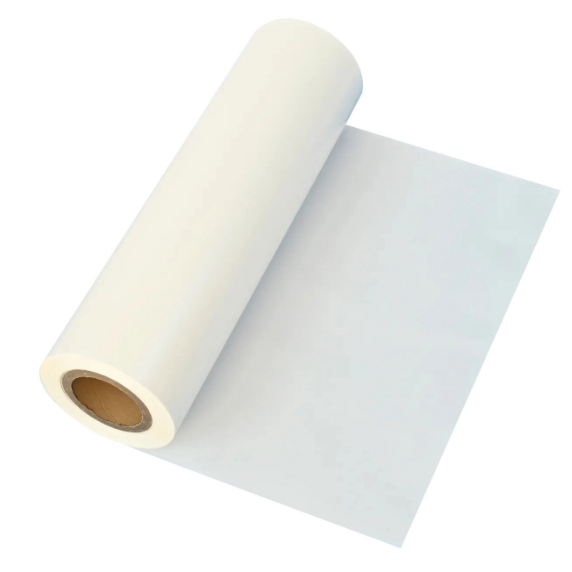
A low quote can hide an expensive liner failure. Poor release, weak rolls, or uneven coating can stop production. Bulk glassine release paper should be bought by performance, not price alone. This guide explains the specifications, tests, documents, and supplier checks needed before approval.
● Start with the adhesive product, converting process, machine speed, and storage conditions. These details shape every useful specification.
● Test a production-representative roll on actual equipment. Hand samples cannot reveal tracking, curl, winding, or high-speed converting problems.
● Measure release performance after realistic aging. Adhesive chemistry, heat, pressure, and dwell time can change peeling behavior.
● Approve a written standard covering appearance, defects, splices, packaging, documents, and remedies.
● Treat quality controls as part of the product. Batch testing, roll inspection, traceability, and change notices protect repeat-order performance.
● Compare total landed value instead of price per roll. Waste, downtime, rejected output, and unstable batches can erase initial savings.
● Choose suppliers able to provide customization, retained samples, technical support, and reliable repeat-order control.
● Define glassine release paper through measurable values. Include basis weight, caliper, release force, strength, moisture, dimensions, coating sides, and tolerances.
Explain what the liner will protect. Common uses include labels, tapes, hygiene products, medical adhesive parts, electronic components, and industrial die-cut materials. Each use creates different demands for strength, cleanliness, stiffness, and release behavior.
A label converter may need stable die-cutting and fast dispensing. A tape producer may need release performance on both surfaces. Medical and hygiene applications may require stronger controls for cleanliness, documents, and raw materials.
Share the adhesive family, coating weight, curing method, lamination pressure, web tension, and target speed. Include the face material, printing, slitting, and die-cutting steps.
State the expected temperature, humidity, shelf period, and transport conditions. A liner may pass a short room-temperature test but change after heat exposure or extended adhesive contact.
List unacceptable failures, such as web breaks, curl, silicone transfer, contamination, early separation, or torn edges. Rank them by financial impact.
This exercise separates required performance from optional preferences. It also gives purchasing, production, and quality teams one shared approval target.
Tip: Send suppliers a one-page application sheet before requesting samples or prices.
Do not select paper by nominal weight alone. Lighter grades may reduce material use and roll mass. Heavier grades may improve stiffness and handling.
Specify acceptable ranges for basis weight, caliper, and shipment variation. Tolerances should reflect real production needs rather than arbitrary limits.
Ask what fiber and base paper are used. Request tensile strength, tear resistance, elongation, stiffness, density, and moisture data.
Directional values can matter during fast unwinding, narrow slitting, sharp die-cutting, and automatic dispensing. A paper that feels strong by hand may still fail under controlled web tension.
Confirm which surfaces need release treatment. One-sided coating suits many label constructions. Double-sided coating may suit transfer tapes or layered adhesive products.
Define each surface separately when the release levels differ. The supplier should also explain how operators identify each side during processing.
Terms such as “easy release” are not measurable requirements. Specify a release range, peel angle, speed, dwell time, test adhesive, and conditioning environment.
Tight release may disturb the adhesive or cause dispensing problems. Light release may cause early lifting or unwanted separation. For double-sided materials, request separate results for each surface.
State roll width, length, outer diameter, core size, winding direction, and maximum weight. These values must match the unwind equipment and material-handling system.
Add limits for width variation, telescoping, damaged cores, loose winding, edge quality, and splices. Require clear markings for every splice.
Available colors can support product identification, batch control, or visual inspection. Define the approved shade and acceptable variation.
Also specify smoothness, gloss, translucency, cleanliness, wrinkles, holes, scratches, dust, and coating streaks. Use photographs or an approved sample to make visual limits clearer.
Checkpoint | Required Purchase Details | Main Risk Controlled |
Paper structure | Weight, caliper, moisture, strength, and tolerances | Breaks and unstable converting |
Release coating | Coated side, release range, and test method | Poor peeling or separation |
Roll build | Width, length, core, winding, and splices | Unwind failures and downtime |
Appearance | Color, shade, defects, and cleanliness | Rejection disputes |
Packaging | Moisture barrier, pallet method, and protection | Transit and storage damage |
Note: A product name never replaces a signed technical specification.
Ask for material made using the proposed paper, coating system, color, and production route. A generic sample may not represent the future bulk shipment.
Hand sheets can support early screening. However, they cannot reveal roll hardness, tracking, splices, edge defects, or winding problems. Use a full-width trial roll before bulk approval.
Process the trial through normal coating, lamination, printing, die-cutting, slitting, dispensing, or packaging steps. Record speed, tension, temperature, humidity, waste, and setup changes.
Watch for curl, web breaks, drift, dust, poor matrix stripping, adhesive movement, and unstable release. The trial should prove both material performance and machine compatibility.
Test release soon after lamination and again after the normal dwell period. Add heat or humidity aging when the finished product will face those conditions.
Use the actual production adhesive whenever possible. A standard test tape can compare batches, but it may not predict every adhesive system.
Record the approved sample, test values, visual criteria, trial conditions, equipment, and operating window. This document becomes the reference for repeat orders.
It also supports faster complaint reviews. Both parties can compare a disputed batch against the same approved standard.
Tip: Keep part of every approved trial roll for future batch comparisons.
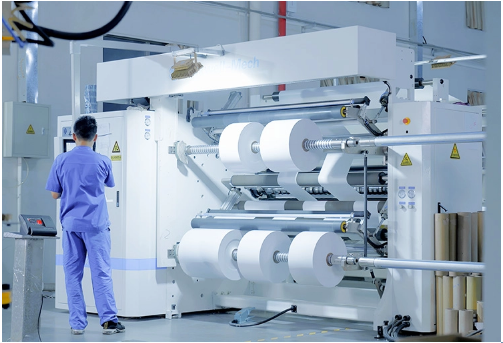
A lighter liner can reduce material use, shipment weight, and roll changes. However, it may provide less stiffness or tear resistance.
A heavier liner may improve handling and mechanical support. It can also increase cost, roll mass, and waste volume. Select the lightest grade that consistently meets production requirements.
Standard adhesive laminates often need one coated surface. Complex tape constructions may need two surfaces or different release levels.
Using unnecessary coating adds cost. Missing a required coating can stop production. Review the complete material structure before issuing the specification.
Glassine, coated kraft paper, and PET film differ in stiffness, thickness, transparency, moisture response, and converting behavior. They should not be treated as direct substitutes.
Test each option using the same adhesive, equipment, storage, and aging conditions. Compare usable output and production efficiency, not only raw material price.
Ask for a current technical data sheet before approval. Each shipment should include agreed batch results.
Typical fields include basis weight, caliper, moisture, release force, strength, and dimensions. Confirm whether the figures are actual batch results or general typical values.
Ask how the supplier identifies raw materials, coating batches, master rolls, slitting runs, and finished rolls. Strong traceability supports faster investigations and focused corrective action.
Confirm whether each roll receives a final inspection. Ask whether samples are retained from each production batch.
Set limits for wrinkles, holes, coating streaks, dirt, edge damage, crushed cores, telescoping, and splices. State the inspection period and required evidence.
The agreement should also define available remedies. These may include replacement, credit, sorting support, or shipment rejection.
Request current certificates for the manufacturing site and product scope. Verify the issuing organization, validity dates, and covered processes.
Never assume one general certificate proves suitability for every application. Medical, hygiene, or food-related uses may need extra tests, statements, or compliance documents.
Ask whether the supplier manufactures, coats, slits, and packs the liner directly. Review production sites, backup equipment, raw material controls, and emergency plans.
A second production base may support supply continuity. However, the approved specification must remain repeatable across locations. Require written approval before any production-site change.
Discuss available weights, colors, release levels, coating sides, dimensions, cores, printing, and packaging. Separate standard choices from custom production runs.
Ask for minimum order quantities for each change. A small adjustment in width or color may require a larger inventory commitment.
Separate sampling, coating, curing, testing, slitting, packing, and transportation time. Ask how seasonal demand affects each stage.
For repeat orders, review controls such as fixed coating recipes, retained samples, batch records, and formal change management.
A capable supplier asks detailed application questions before recommending a material. They should explain test results, support production trials, and help investigate failures.
Confirm named contacts for technical, quality, logistics, and commercial issues. Clear responsibility helps solve problems quickly.
Ensure each quote covers the same weight, dimensions, coating sides, release range, core, packaging, tolerances, and inspection terms.
Compare cost per square meter or another usable unit. Price per roll can mislead when roll width, length, and usable yield differ.
Calculate losses from web breaks, curl, poor die-cutting, excessive splices, slower speeds, and rejected output. These costs may exceed the original paper price difference.
Use trial results to estimate usable yield and line efficiency. Purchasing, production, quality, and finance should review the same cost model.
Define moisture protection, end guards, pallet strength, roll orientation, labels, and loading methods. Confirm freight responsibility, insurance, customs documents, and damage procedures.
Follow supplier guidance for humidity, temperature, stacking, sunlight, and shelf period. Use first-in, first-out inventory control where practical.
Attach the approved specification, test method, visual standard, packaging rules, and sample reference. Include delivery dates, quantity tolerances, inspection rights, claim windows, and remedies.
Require written approval before changes to raw materials, release coating, manufacturing processes, or production sites.
Bulk orders succeed when specifications, samples, and quality records support the same performance target. Buyers should confirm basis weight, coating sides, release force, roll build, testing, storage, and claim terms. Hengmu offers glassine release paper in varied weights, colors, release levels, and coating options. Its flexible manufacturing, inspection process, and technical support help customers reduce converting risk and improve finished-product consistency.
A: Glassine release paper protects adhesive surfaces until application.
A: Test glassine release paper using actual adhesive and equipment.
A: It controls peeling, dispensing, and premature separation.
A: Glassine release paper pricing reflects weight, coating, size, and volume.
A: It depends on stiffness, transparency, moisture, and machine needs.
A: Control moisture, storage, web tension, and roll conditioning.


