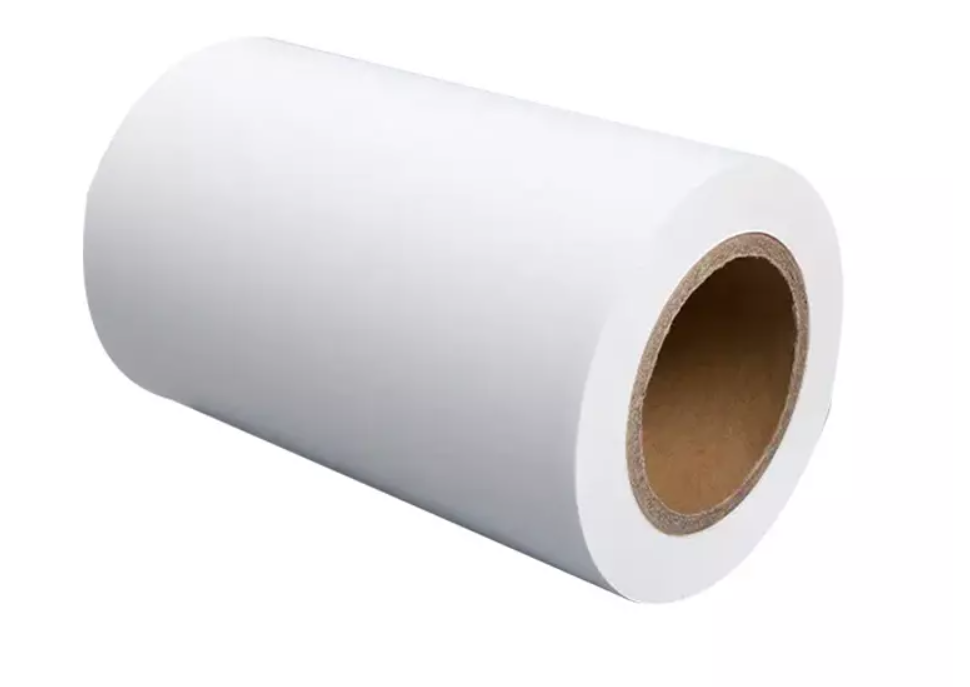
A release liner, also known as release paper or backing liner, is designed to cover the adhesive side of products until they are ready for use. Companies rely on the release liner to keep adhesives clean, protected, and primed for application. Products such as labels and medical supplies require a high-quality release liner to ensure safe and effective use. Leading manufacturers like Hengmu utilize advanced technology and rigorous quality control to produce durable release liners.
A release liner keeps the sticky side safe until you use it.
Many industries, like medical and automotive, use release liners.
They help make things safer and work better.
Picking the right release liner can help save time.
It also helps cut down on waste when making products.
Release liners are made from different materials.
These help things work well in tough places.
Things like temperature and humidity can change how release liners work.
It is important to test if release liners and adhesives work together.
A release liner is a special material that covers sticky sides of products until use. People also call it release paper or backing liner. These names show that it protects adhesives. Many companies in medical, automotive, packaging, electronics, hygiene, and construction use release liner. It keeps adhesives clean and working well. The table below shows how different industries and places use release liners:
Industry/Region | Application of Release Liners |
|---|---|
Medical | Used in many medical adhesive products |
Automotive | Needed for car adhesive uses |
Packaging | Used in packaging for easy peel-off |
Electronics | Important in putting together electronic parts |
Hygiene | Used in hygiene products for good sealing |
Release liner has many important jobs in sticky products. It protects the sticky part during storage and handling. This keeps the adhesive safe until it is used. Release liner also helps put adhesives on things easily, by hand or by machine. Makers use release liner to work with different ways of putting things together. This is why release liner is needed for things like pressure-sensitive tapes and reclosable fasteners. Companies trust release liner to keep products good and help make things faster.
Makers use many materials to make release liner. The most common are paper-based and film-based liners. Paper-based release liner is popular because it is cheap and useful. Film-based release liner is wanted more now because it is strong and smooth. Film-based release liner often uses PE, PP, and PET as the base. Labels are the biggest use for release liner. Hengmu makes release liner with top materials for many industries. Their new methods make sure each release liner works well and is reliable.
Paper-based release liner: Used for general jobs and easy to handle.
Film-based release liner: Best for tough jobs and smooth release.
PE, PP, PET: These are common bases for film-based release liner. They are strong and flexible.
Release liner keeps changing as makers find new materials and coatings to fit what industries need.
There are different release liner types for many uses. Companies like Hengmu make many kinds for different jobs. Their ISO 9001:2015 certification means their products are always good. Release liners can be used in healthcare and electronics. Each type has special features for each industry.
Paper release liners are still used a lot. They are cheap and can be used in many ways. These liners are easy to use for most jobs. There are two main kinds:
Glassine paper release liners use smooth, thick paper. This paper does not let grease or water in. It gives some protection and is used for labels and stickers. Calendered kraft paper release liners are also in this group. They are strong and bend easily.
Polykraft release liners have paper with a plastic layer. This plastic helps keep water out and makes it last longer. Polycoated paper release liners are good for packaging and industry. They are used when more protection is needed.
Note: Paper release liners are cheaper at first. But they can make more waste and not work as well as film liners over time.
Film release liners are stronger and protect better. They work well in tough places like hospitals and cars. There are two main film types:
PET release liners are very strong and clear. They do not get damaged by chemicals. These liners can take high heat and are easy to peel off. PET release liners are used in electronics and healthcare. They are picked when the job needs to be perfect.
Polypropylene release liners bend easily and keep water out. They are lighter than PET release liners. They are good for jobs that need a flat, smooth surface. PET release liners cost more at first. But they last longer and help make less waste.
Parameter | Film Liner (PET/PP) | Paper Liner |
|---|---|---|
Release Force | Low to Moderate | Moderate to High |
Temperature Resistance | High | Moderate |
Moisture Barrier | Excellent | Fair |
Chemical Resistance | Good | Limited |
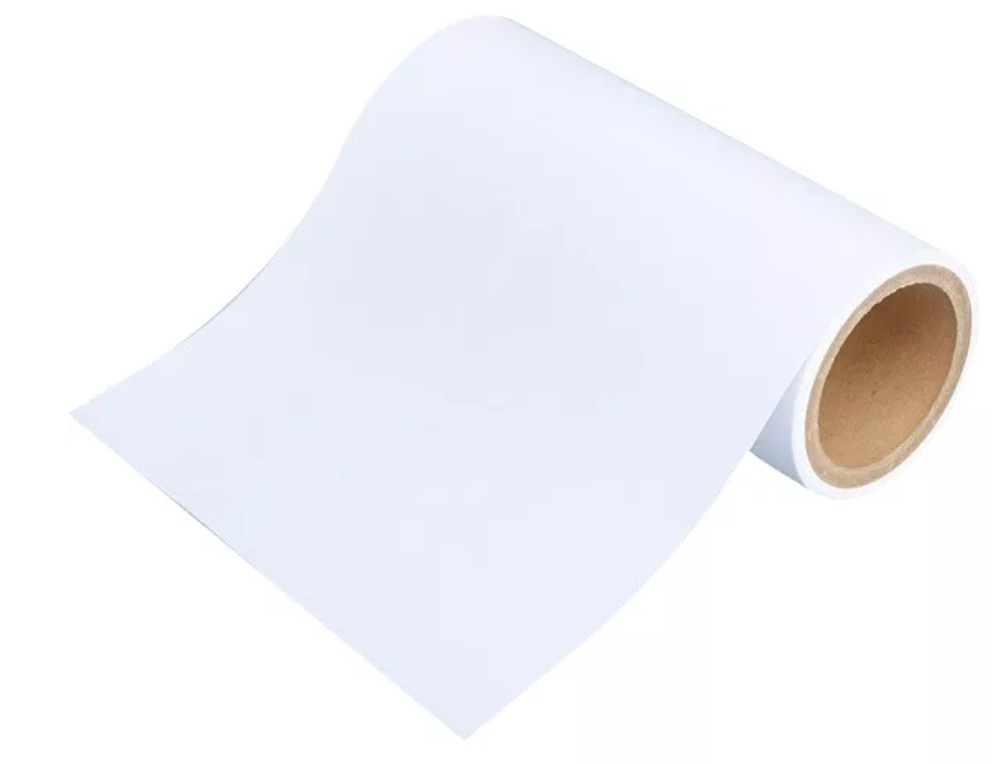
Release liners help keep adhesives safe until you use them. They have special coatings with less surface energy than adhesives. This makes it simple to peel the sticky product off the backing. The release liner stops the adhesive from sticking too early. This lets people use the product when they want.
Release liners have release agents with less surface energy than adhesives.
This lower energy helps the adhesive come off the liner easily.
The coating keeps the adhesive from sticking before it should.
Release liners also give a steady release force. This force stays the same, even if it gets hot or wet. The liner keeps the adhesive clean and safe until it is needed.
Makers use different coatings and treatments to make release liners better. The most common coating is silicone. Silicone makes the liner smooth and easy to peel. Silicone covers the whole liner, so sticky things do not stick too much.
Coating Type | Characteristics | Application Method |
|---|---|---|
Silicone Release Coating | Makes a silicone layer for full cover and easy peeling. | Multi-roll or gravure system |
Thermally Cured Solventless | Cures fast with a platinum catalyst, saves money. | High-speed application |
UV-Cured Solventless | Dries quickly without solvents, used for small presses. | Applied in certain spots |
Emulsion/Solvent-based | Used for special things like PVC, not used much. | Only for special mixes |
Release Performance | Measured by how easy it peels and silicone cure. | Peel tests at different angles |
These coatings help release liners work with many adhesives and in many places. The coating picked depends on what the product needs. Release liner coatings let companies match liners to each job.
Picking the right release liner depends on a few key things. Each thing changes how well the liner works in real life.
Performance Factor | Description |
|---|---|
Material Type | Paper and film liners have different uses and resist water differently. |
Adhesive Compatibility | The liner must work with the adhesive so it does not stick wrong. |
Application Requirements | Needs like heat, chemical safety, and cutting shape the best liner. |
Makers check these things to be sure the liner fits the job. For example, a medical liner may need to resist chemicals. A packaging liner may need to work with fast machines. Good release liners keep working well even if things change. This helps products stay safe and easy to use.
Picking the right release liner helps companies get good results. Many things matter, like how it will be used, the environment, and if the materials work together.
Release liners are used in many ways. Companies use them by hand or with machines. Hand use is good for small jobs or custom work. Machines are better for making lots of products and keep things the same.
Manufacturers pick hand or machine use based on what they need:
Tire and rubber makers use release liner so rubber does not stick to machines.
Composite makers use release liner to keep sheets apart in storage.
Tape and sealant makers use release liner to cover sticky parts until needed.
Protective films and coatings use release liner to stop scratches and dust.
Roofing and insulation need release liner to keep adhesives safe from weather.
Conveyor belts and rubber shapes use release liner to stop sticking during making.
Machines need release liners that work the same every time. Hand use lets people change things but may need liners that peel off easier.
Cold can make paper release liners take in water, making them bigger and curl up. This can mess up printing.
Heat can make adhesives soft and dry out paper liners, causing curling and other problems.
Wet air can make paper liners swell and curl from water.
Changing heat can make problems worse, as liners dry and get wet again and again.
Hot air can make glue react faster, making it softer and runny.
Very cold air can make some glues hard or break, so they do not work well.
Makers must think about these things when picking a release liner for places where weather changes a lot.
The way release liner, glue, and the thing it sticks to work together is important. Each glue type acts differently with liner materials.
The table below shows how some glues work with PET release liners:
Adhesive Type | Compatibility with PET Release Liners |
|---|---|
Solvent-based | Changes a lot |
Water-based | Sometimes works okay |
Hot-melt | Usually works well |
If glue and release liner do not match, problems can happen. These can be weak sticking, layers coming apart, or glue left behind. Pressure sensitive adhesive products need liners that peel off easily and do not leave glue.
Release liners touch many different surfaces. Glues on labels may not stick well to silicone, so they come off too easy. Fluorocarbons have less surface energy than silicone but do not work as well for release jobs. The PDMS network in silicone liners helps things slide, which is needed for easy peeling in pressure sensitive adhesive products.
Makers use different release agents, often silicone, to keep glue safe until used. The release level shows how easy it is to peel glue off, which changes how things are made and used. Release liners are important for how products work and how glue is put on and taken off.
Tip: Always test release liner and glue together before making a lot, so you do not have problems.
Label release liner is very important for making labels and stickers. Many businesses need these liners to keep glue clean and ready. In graphic design, companies use release liners for stickers and posters. They also use them for signs in stores. Labels need these liners so they stick well and work right. Packaging uses them to help put labels on smoothly. This helps people see the brand better.
Application Area | Description |
|---|---|
Graphic Design Industry | Used for stickers, posters, and store signs. |
Labeling Applications | Helps labels work well and stick right. |
Packaging | Makes it easy to put labels on products. |
Release liners give many good things in this area:
They help cut out labels in special shapes.
They help labels stick well to things.
They let you peel off labels without sticky mess.
Pressure sensitive labels use these liners to keep glue safe until use. This makes sure labels work well in many places.
Medical and hygiene items need special release liners for safety and quality. These liners cover sticky parts on bandages and patches. They stop glue from sticking too soon. This makes it easy and safe to use.
Makers use different liners in hospitals and clinics:
Ultra-low extractable silicone liners for very clean places.
Low extractable silicone liners to lower silicone left behind.
Fluorosilicone release liners for tough chemicals and heat.
Silicone-coated release paper is used in pads for women, baby diapers, and adult pads. The silicone makes it easy to peel and stops sticking. Medical release liners must always be safe and work well.
Packaging and shipping companies use release liners to work faster and make customers happy. These liners help put labels on boxes smoothly. This is important for tracking and showing brands. They also make opening packages nicer, which is good for online shopping.
These liners must do a few things well:
Let labels come off the liner the same way every time.
Work with digital printing for new packaging styles.
Use earth-friendly materials to help the planet.
New ideas have made liners thinner and better. More self-stick labels in packaging and shipping means more need for good release liners. Companies want liners that work with fast machines and new box designs.
Automotive and electronics companies use release liners for many jobs. These industries need products that last and work well. Release liners keep adhesives clean and ready to use. They also help workers put sticky products on fast and in the right spot.
In cars, release liners help make vehicles lighter and safer. Car makers use release liners with adhesive tapes to stick parts inside and outside. These tapes hold trim, emblems, and sensors in place. Release liners keep the adhesive fresh until it is needed. This helps factories build cars faster and with fewer mistakes.
Electronics makers use release liners in many gadgets. Flexible circuits, screens, and insulation films need careful use of adhesives. Release liners make it easy to put sticky things on without a mess. They also protect small parts from dust and damage. This is important for making phones, computers, and other devices people use every day.
The table below shows how release liners help in both industries:
Industry | Application Description |
|---|---|
Automotive | Used in adhesive tapes for interior and exterior parts, aiding in lightweight vehicle designs and assembly efficiency. |
Electronics | Utilized in flexible circuits, displays, and insulation films where precise adhesion control is essential. |
Release liners also help with pressure sensitive labels in these fields. Car makers use these labels to track parts and show safety info. Electronics companies use them to label circuit boards and parts. The label release liner keeps these labels sticky and easy to use.
Some good things about using release liners in cars and electronics are:
Faster building and less waste
Cleaner use of adhesives
Protection for delicate surfaces
Better product quality
Tip: Release liners help factories keep up with new designs and technology. They make it easier to use new adhesives and materials.
Companies like Hengmu make release liners that meet strict rules. Their products work well in tough places, like high heat or wet air. This helps companies build better cars and electronics for people everywhere.
Product quality needs every step to work well. Release liners help keep products safe and working right. Good release liners stop dirt and damage from reaching adhesives. They keep the sticky part clean until you use it. This makes sure products do their job.
Many industries use release liners to protect their products. In hospitals, release liners keep wound dressings safe. They help the adhesive stay strong and block germs. This keeps patients safe and lowers infection risk. In packaging, release liners help labels stick and look neat. Electronics and car companies use release liners to keep parts clean and working.
A good release liner gives many benefits:
Makes sure adhesives stick and do not fail.
Stops dirt and dust from touching sticky sides.
Keeps products safe when shipped or stored.
Helps medical items stay clean and safe for people.
Bad liners can cause big problems. If the liner does not protect the adhesive, the product might not work. In hospitals, this can put patients in danger. That is why companies like Hengmu use strict checks and smart tools to make their release liners.
Manufacturing efficiency means making products fast and with little waste. Release liners help factories work quickly and better. They let machines put on adhesives smoothly and fast. This saves time and money.
Factories need release liners that peel off easily and do not break. Good release liners keep things moving without stops. This helps companies make more products in less time. It also means less waste because fewer products get ruined.
Here are ways release liners help factories work better:
Let adhesives go on fast and smooth in machine lines.
Stop jams and sticking problems so work does not slow down.
Help high-speed production with steady quality.
Lower the number of bad products from adhesive problems.
Note: Picking the best release liner can make products better and help factories work faster. This helps companies do well in a busy market.
Sustainability is now very important in the release liner industry. Makers try to lower pollution and use recycled stuff. Many companies start recycling programs to keep trash out of dumps. New machines help make liners in greener ways. Some release liners use materials that break down or can be recycled. These changes help people who want earth-friendly packaging and safe disposal. The market will see more film and new paper materials instead of old ones. This helps the planet and gives customers what they want.
Companies that pick sustainable release liners help nature and follow new rules.
New liners are thinner and lighter. They use less material and cost less to make. This also helps the earth by making less trash. The industry keeps finding new ways to make liners that work well and are better for the environment.
Coating technology has gotten much better lately. Makers now look for coatings that are good for the earth. Some glassine-based release liners use new silicone coatings. These coatings help sticky tapes work better. Green coating methods also make liners stronger against heat and easier to peel.
Silicone coatings help liners peel off easily and stand up to heat.
UV-curable silicones work fast and fit many jobs.
Thin coatings save money and help the environment.
Coatings that can be recycled or break down help with green packaging.
New materials for liners also matter. Companies use things that can be recycled or break down to meet what people want. These new ideas help liners work better and be kinder to the earth.
Note: New coatings make release liners work better and easier for many jobs.
Custom solutions help makers fit new and growing industries. Release liners now have many choices for different needs. Companies can pick different chemicals and materials for hard jobs. Small businesses can order just a few liners. Fast delivery helps companies make new products quickly.
Feature | Description |
|---|---|
Customizable Options | Many coatings and materials for tough jobs. |
Low Minimum Order Quantity | Small orders are okay for small companies. |
Short Lead Time | Quick delivery for new products and industries. |
Long-term Stability Validation | Custom liners keep working well with glue for a long time. |
Coating Options | One side, both sides, or special coatings for special needs. |
Liners can be made to fit what each product needs. Release levels can be easy or hard, even different on each side. Some liners block water, oil, or gas. Others have stuff that fights germs for extra safety. Green materials and better recycling are also offered.
The release liner market keeps getting bigger. Experts think it will grow by $8.6 billion in five years. Companies expect more new materials and coatings. These changes help makers build better products for many jobs.
Release liners are very important in sticky products. Picking the right kind helps things work well and last longer. Companies like Hengmu make sure their liners are always good. They check quality and offer choices for different needs. New ideas in release liner technology help companies find better and greener options.
Trend | Impact on Selection |
|---|---|
Bio-based materials | Help the planet |
Enhanced coatings | Make peeling easier and work with more things |
Automation | Make work faster and cut down on trash |
A release liner is a sheet that covers sticky sides. It protects the adhesive and keeps it clean. People take off the liner before using the product.
Manufacturers use paper, film, and special coatings. Glassine paper and polycoated paper are common choices. Polyester (PET) and polypropylene (PP) are also used. Silicone coatings make it easy to peel off.
Companies use release liners in packaging and medical supplies. They are also used in cars, electronics, and hygiene products. These liners help store adhesives safely and make them easy to use.
People look at the adhesive type and how it will be used. The environment matters too. Testing the liner with the adhesive makes sure they work together. Companies like Hengmu give custom options for different jobs.
Sustainability helps keep the earth safe. Manufacturers use recycled materials and make liners that break down fast. Many companies pick eco-friendly liners to follow rules and please customers.
Hengmu uses modern machines and checks quality carefully. The company has ISO 9001:2015 certification. Hengmu gives reliable products to customers around the world and offers custom choices for many industries.