


Views: 0 Author: Site Editor Publish Time: 2026-05-09 Origin: Site


You notice glassine release paper is smooth and dense. It is also a little see-through. This special paper works as a release liner for labels. The surface of glassine helps glue spread out evenly. It lets labels come off easily and cleanly. You often see it used for pressure-sensitive labels and double-sided tapes. Its features help labels work well in fast automatic labeling machines.
Glassine release paper is smooth and does not stick. This makes it easy to peel labels off without ripping them. This paper does not let water or grease in. It keeps labels clean and safe when stored or shipped. Glassine can be recycled and breaks down naturally. This helps the environment and still works well as label backing. It works well in many situations, even with fast labeling machines. This makes it good for both small and big jobs. Picking glassine instead of other liners can save money. It also makes less trash, which is good for your wallet and the Earth.
Glassine release paper looks smooth, thick, and a bit see-through. It feels almost like wax when you touch it. People use it as a backing for labels. Glue will not stick to it until you want to use the label. The surface stays flat, so labels come off without tearing.
Note: Glassine is special because it is strong, smooth, and does not let things stick. These qualities make it great for putting on labels.
Here is a table that shows how glassine release paper is not the same as regular release paper:
Aspect | Glassine Release Paper | Ordinary Release Paper |
|---|---|---|
Raw Materials | High-quality wood pulp for smooth texture and strength. | Usually made from kraft or offset paper. |
Calendering Process | Heavy pressure makes the paper smooth and tight. | Not explained in the information given. |
Coating and Treatment | Gets a coating to help block water and last longer. | Silicone coating gives it a non-stick surface. |
You can also spot some main features that make glassine different:
Characteristic | Description |
|---|---|
Smooth and Non-Stick Surface | You can pull off glue easily, so nothing sticks until you use the label. |
Moisture Resistance | Water cannot get to the glue, so it stays safe during shipping and storage. |
Translucent or Transparent | You can see the glue under the paper, which helps you line up labels. |
Superior Flatness and Dimensional Stability | The paper stays flat and does not bend, so it works the same every time. |
Glassine release paper for labels is usually between 1.5 and 2.1 mL thick. This makes it strong but still easy to bend, so it works in many ways.
To make glassine, you start with good wood pulp. The pulp goes through a step called supercalendering. Machines press the paper very hard. This makes it smooth, thick, and a little see-through.
After pressing, the paper gets a special layer on top. This layer helps keep out water and oil. It also makes the paper even smoother. The finished paper does not let glue stick until you want it to. That is why glassine release paper is a top pick for labels.
When you touch glassine release paper, it feels very smooth. This is because machines press the paper to make it flat and dense. The surface does not let glue stick until you need the label. This non-stick feature helps you peel labels off fast and easy.
Manufacturers check the release qualities with lab tests. These tests make sure the paper works well and labels come off easily. Here is a table that lists some main tools used:
Instrument | Purpose |
|---|---|
Electronic Balance | Measures the basis weight of the paper. |
Thickness Tester | Measures the thickness of the paper. |
Tensile Testing Machine | Measures release force according to international standard FINAT10. |
XRF Analyzer | Detects coating weight on the paper surface using X-ray. |
Dye-test | Checks the uniformity of the release agent on the paper surface. |
Oven | Simulates aging conditions to observe changes in release force over time. |
Glassine release paper comes with different release values. Some have low release, some have medium, and some have high release. The coating weight and silicone formula change how the paper works. You can get single-sided or double-sided release liners for different needs.
Glassine is good at stopping water and grease. Its dense structure and special coating keep moisture and oil away from the glue. This keeps your labels safe during storage and shipping. Glassine protects the glue even if the place is not perfect.
Glassine release paper stops moisture and grease, so it fits many uses.
The pure cellulose fibers make it strong and tough.
You can use it for food packaging because it is safe.
It handles a little water but is not fully waterproof, so too much water can cause problems.
Glassine also keeps dust away. The smooth surface does not let dust stick easily. This keeps your label clean and ready to use.
Using glassine helps the environment. You can recycle this paper in your regular recycling bin. It is also biodegradable and compostable, so it breaks down over time without hurting nature.
Here is a table that shows some important certifications and standards for glassine:
Certification/Standard | Description |
|---|---|
FSC® Chain-of-Custody | Ensures responsible sourcing of materials. |
CEPI Recyclability Laboratory Test Method | Validates the recyclability of the product. |
Many glassine products meet these standards, so you know you are making a good choice. You may also see How2Recycle labels on packaging, which help you recycle the right way.
Tip: Picking glassine release paper helps your labels work well and supports your sustainability goals.
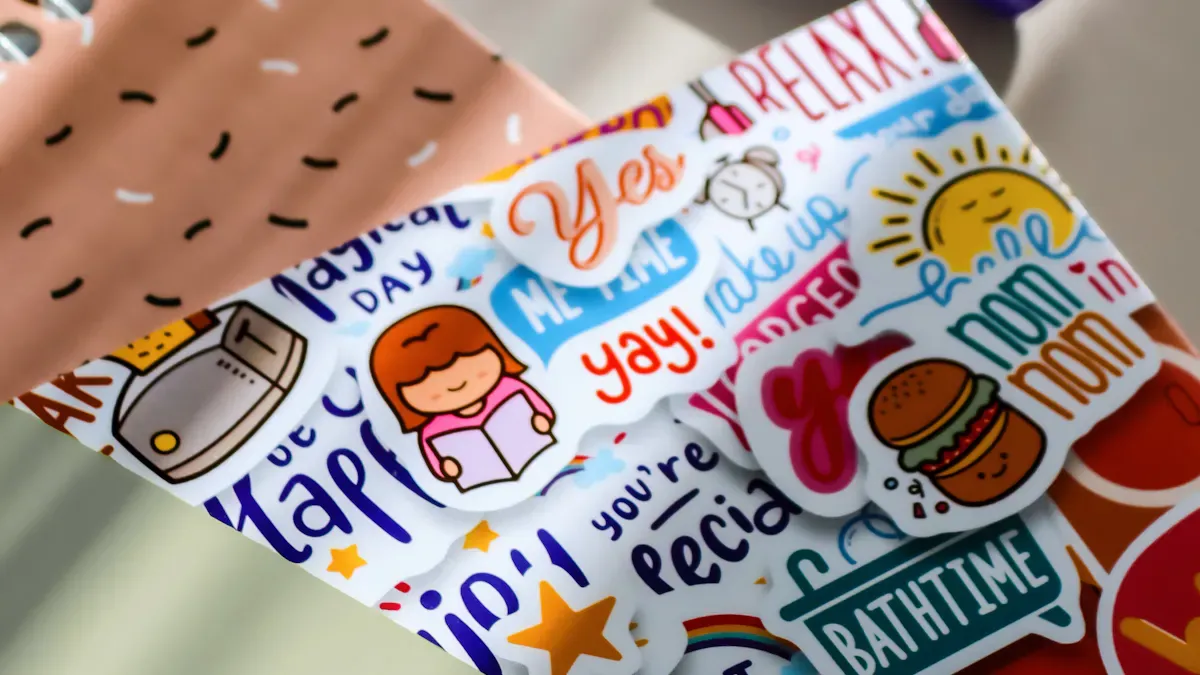
Glassine release paper gives many good things for labels. Its smooth surface lets you peel labels off easily. This means there is less waste and fewer jams. Glassine costs less than film liners, so you save money. You can recycle glassine, which helps the environment. It works with many adhesives, so you can use it for lots of label jobs.
Here is a table that shows the main advantages:
Advantage | Description |
|---|---|
Clean release on the line | The smooth surface stops adhesives from sticking too much, so you avoid jams and waste. |
Stable under processing | Glassine keeps its shape, so you see fewer web breaks and rejects. |
Cost and availability | It usually costs less than film liners, which helps with high-volume runs. |
Easier to recycle | As a paper product, it supports your recycling efforts. |
Works with common adhesives | You can use it with acrylic and rubber-based adhesives. |
Labels need to work well in tough places. Glassine release paper handles changes in humidity and temperature better than many other liners. When the air is just right, glassine stays flat and strong. This helps you get clean cuts and easy peeling. If the air is too dry or too wet, the paper might change a little. But it still works well for most uses.
Environmental Condition | Substrate Reaction | Impact on Die-Cutting |
|---|---|---|
Excessive Humidity | Fiber expansion/Softening | Inaccurate registration; ragged edges |
Optimal Humidity | Dimensional Equilibrium | Clean, precise punching and stripping |
Insufficient Humidity | Fiber contraction | Dust generation; substrate snapping |
Glassine works in many temperatures. It stays strong at room temperature. If it gets very cold, the paper gets a bit stiff but still protects the label. At high heat, you might see some changes. But for most jobs, glassine works well.
You need a liner that works with fast machines. Glassine release paper can handle speeds up to 800 meters per minute. This means you can label things quickly without many breaks or jams. Its smooth and strong surface helps your work go faster.
Tip: Glassine is a smart pick for both small and big jobs. It gives you speed, clean release, and easy recycling every time.
When picking a release liner, you look at glassine and PET liners. Glassine backing gives a surface that works well for most labels. PET liners are made from plastic and are very strong. You use PET liners for tough jobs or harsh places.
Here is a table that shows the main differences:
Material | Cost Comparison | Sustainability Benefits | Durability |
|---|---|---|---|
Glassine | Lower | High (recyclable) | Moderate |
PET | Higher | Developing (less recyclable) | High |
Glassine costs less than PET. You can recycle glassine easily. This helps the planet. PET liners last longer and do not tear easily. But they cost more and are harder to recycle. If you want a greener choice, glassine is smart. You get good results and save money.
Tip: Glassine release paper fits most label jobs and helps the environment. PET liners are best when you need extra strength.
You might wonder how glassine compares to regular paper liners. Glassine release paper is dense and smooth. It is made by pressing the fibers tightly. This makes glassine block water and grease. Regular paper liners do not protect as well.
Glassine keeps labels safe from water and oil. You see this in medical tape and sticky products. Regular paper liners may need extra coatings to work like glassine. Glassine works well for many jobs without extra steps.
Glassine lasts a long time and keeps labels clean. Regular paper liners may break down faster or let liquids through. Glassine is a good choice for label backing, especially when you need to stop water and grease.
Note: Glassine release liners help protect labels and support recycling. You get a reliable choice for many uses.
Glassine release paper is good for the environment. It uses plant fibers, so it breaks down naturally. This helps keep trash out of landfills. Making glassine uses wood and bamboo, which are renewable. Glassine does not have harmful chemicals. This makes it safer for people and nature.
But making glassine needs a lot of heat and energy. This means it creates more carbon than some other liners. Look at the table below to compare:
Material Type | Carbon Footprint Comparison |
|---|---|
Glassine | Higher than traditional paper |
Thin Film Materials | Significantly lower than glassine |
Newer Paper-based Liners | Lower due to recycled materials |
New paper liners use recycled stuff and are lighter. This lowers their carbon footprint. When you recycle glassine, it gets sorted, cleaned, shredded, and pulped. This makes recycling easier and gives better recycled paper. If you compost glassine, it helps with organic waste. But it must meet certain rules.
Glassine release paper works for many things like food and store packaging. But it is not always the best choice. Glassine is not as strong as synthetic materials. It can tear or get holes more easily. Sometimes, glassine costs more than plastic liners. Making glassine needs special machines. Changing machines can be expensive and slow.
Here are some times when glassine may not work well:
Application Type | Reason for Unsuitability |
|---|---|
Heavy-duty or abrasive packaging | Glassine is light and may not handle sharp items. |
Excessively wet or humid environments | It resists water but is not waterproof, so it can break down. |
High-temperature applications | It handles some heat but can bend or break in high heat. |
For special label jobs, you can use super calendered kraft, clay coated kraft, or machine finished kraft. These work better in tough places.
Tip: Always pick the right liner for your job. This helps your labels work well and supports your green goals.
You pick glassine release paper for labels because it is smooth and does not let glue stick. It keeps water away from the label. These features help you put on and take off labels easily, even in hard places. The see-through paper helps check the label quality. Glassine is good for the environment, so brands like it for green goals. Glassine can tear more than plastic liners and is not fully waterproof. But eco-friendly glassine choices are getting better. For expert help or to find more options, visit Hengmu Composite Materials or contact us.
Backing paper holds the label until you use it. You peel the label off this paper. It keeps the glue safe and makes sticking the label easy.
Backing paper protects the glue on your label. It stops dust and water from touching the glue. It also helps you take labels off without mess.
You can recycle backing paper if it uses glassine or other green materials. Check your local recycling rules first. Many companies pick backing paper that helps the planet.
Backing paper keeps labels flat and stops them from curling. It helps labels stay clean and ready to use. Good backing paper lets you peel and stick labels without ripping.
Glassine backing paper is smooth, thick, and a little see-through. It gives a clean release and strong protection for labels. This paper works well with fast machines and supports recycling.


