


Views: 0 Author: Site Editor Publish Time: 2025-09-10 Origin: Site


Is your packaging harming the environment? Glassine paper might be the solution. Known for its translucent and eco-friendly nature, glassine paper offers unique packaging benefits. But is it the right choice for you? In this article, you'll learn about the pros and cons of using glassine paper for packaging. We'll explore its features, compare it with other materials, and help you make an informed decision.
Glassine paper is a smooth, glossy, and translucent type of paper made primarily from wood pulp. Unlike regular paper, it has a shiny surface and a semi-transparent quality that allows you to see through it partially. This unique look comes from its dense fiber structure and special finishing techniques. Glassine is resistant to grease, moisture, and air, making it an excellent protective barrier. It is also acid-free and pH-neutral, which means it won’t yellow or degrade over time. These features make glassine ideal for packaging delicate items, especially food, artwork, and archival materials.
The making of glassine paper involves several key steps that set it apart from other paper types:
Raw Material Preparation: Glassine uses hardwood pulp from trees like birch, oak, or aspen. These hardwood fibers provide strength and durability.
Lignin Removal: During pulping, lignin—a natural component that causes paper to yellow and become brittle—is almost completely removed. This step ensures the paper stays clear and long-lasting.
Bleaching: The pulp is bleached to achieve brightness and purity, contributing to glassine’s clean, translucent appearance.
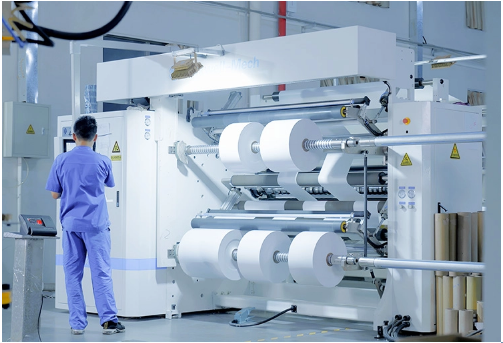
Supercalendering: This crucial finishing process passes the paper through heated, high-pressure rollers multiple times. It smooths and compresses the fibers, creating a dense, glossy surface that repels grease and moisture without additional coatings.
This manufacturing sequence results in a paper that is smooth, strong, and resistant to environmental factors, making it highly suitable for protective packaging.
Glassine paper differs significantly from other papers used in packaging:
| Feature | Glassine Paper | Standard Paper | Wax Paper | Parchment Paper |
|---|---|---|---|---|
| Transparency | Translucent | Opaque | Translucent | Opaque |
| Grease Resistance | High | Low | High | High |
| Moisture Resistance | High | Low | Moderate | High |
| Heat Resistance | Low | Low | Low | High |
| Surface Texture | Smooth and glossy | Varies | Waxy | Slightly textured |
| Biodegradability | Yes | Yes | No | No |
| Recyclability | Yes | Varies | No | No |
Compared to wax or parchment paper, glassine offers a unique balance of translucency and resistance to grease and moisture without relying on coatings that harm the environment. Unlike standard paper, glassine is denser and less porous, providing better protection for sensitive products.
Note: The supercalendering process is key to glassine’s unique properties, making it smooth, glossy, and resistant to grease and moisture without extra coatings.
One of the standout benefits of glassine paper is its translucency. Its semi-transparent nature lets customers catch a glimpse of the product inside without unwrapping it. This feature is especially valuable in retail, where product visibility can boost sales. For example, baked goods wrapped in glassine appear more appealing, as buyers can see the texture and freshness. This visual connection often builds trust and encourages purchase decisions. Unlike opaque packaging, glassine offers a subtle showcase without revealing everything, maintaining an element of surprise and elegance.
Glassine paper naturally resists grease and moisture, thanks to its dense fiber structure achieved through supercalendering. This resistance protects products from oil stains and dampness, making it ideal for food packaging such as sandwiches, pastries, or fried snacks. The paper acts as a barrier, preventing grease from leaking out and moisture from seeping in. This keeps the product fresh longer and maintains its texture. For instance, lining a food tray with glassine helps absorb excess oil while keeping the surface clean. This property also benefits non-food items sensitive to moisture or oils.
Glassine paper stands out as an eco-friendly packaging option. Made from renewable wood pulp, it is biodegradable and recyclable, breaking down naturally without leaving harmful residues. Unlike plastic or wax-coated papers, glassine avoids synthetic coatings that hinder recycling. This makes it a responsible choice for businesses aiming to reduce their environmental footprint. Moreover, its production involves removing lignin and using supercalendering instead of chemical coatings, further minimizing environmental impact. Many consumers today prefer brands that choose sustainable packaging, so glassine can enhance brand image and customer loyalty.
Glassine paper does not hold up well under high temperatures. It can warp, discolor, or even catch fire if exposed to heat sources like ovens or microwaves. This limitation makes it unsuitable for packaging hot foods or products that require heat sealing. For example, glassine wrappers are not recommended for freshly baked goods straight from the oven. Instead, they are better for cool or room-temperature items. If heat resistance is essential, other materials like parchment paper should be considered.
Printing on glassine paper poses several challenges due to its smooth, glossy surface. Ink tends to dry slowly, increasing the chance of smudging or smearing. The paper’s low absorbency means that standard printing inks may not adhere well, resulting in faded or uneven prints. This limits branding opportunities for businesses wanting to print logos, product information, or decorative designs directly on the packaging. While digital printing techniques can improve results, they often come at a higher cost and require specialized equipment.
Compared to standard paper or some plastic packaging options, glassine paper can be more expensive. The specialized manufacturing process, including lignin removal and supercalendering, adds to production costs. For businesses operating on tight budgets or needing large volumes, this cost difference may be a significant factor. Additionally, the limited printability might lead to extra expenses if alternative labeling or packaging methods are necessary. Weighing the benefits against the cost is crucial before choosing glassine paper for packaging.
Tip: When using glassine paper, avoid packaging hot items and plan for alternative branding methods due to its limited heat resistance and printability.
Glassine paper shines in the food industry thanks to its grease and moisture resistance. Bakers use it to wrap pastries, cookies, and sandwiches, keeping them fresh and visually appealing. Its translucency lets customers peek inside without unwrapping, which boosts product appeal. Glassine also works well as a liner for trays and baskets, absorbing excess oil from fried foods and preventing sogginess. Candy makers wrap individual sweets in glassine to maintain hygiene and add a touch of elegance. Because it’s acid-free and food-safe, glassine protects food quality without introducing harmful chemicals. However, it’s best for cool or room-temperature items since it can’t handle heat well.
Artists and photographers value glassine paper for protecting delicate works. It’s acid-free and pH-neutral, so it won’t yellow or damage artwork over time. Glassine’s smooth, non-abrasive surface prevents smudging and abrasion on fragile media like charcoal, pastels, and prints. Its translucency allows viewing without direct contact, reducing the risk of fingerprints or dirt. This makes it perfect for storing, shipping, or displaying art safely. Photographers also use glassine to protect negatives and slides from dust and moisture. Compared to other packaging materials, glassine offers an excellent balance of protection and visibility for fine art.
In bookbinding and archival work, glassine serves as an interleaving paper to separate delicate pages or illustrations. Its acid-free nature prevents chemical reactions that cause paper to yellow or become brittle. Glassine’s grease and moisture resistance protect valuable documents from environmental damage. Archivists use it to wrap and store stamps, postcards, and other collectibles safely. Its translucency helps identify items without exposing them to excessive handling. Glassine’s durability and smooth texture make it ideal for long-term preservation, helping maintain the integrity of rare books and archival materials.
Tip: Use glassine paper when packaging items needing protection from grease, moisture, or abrasion while showcasing the product, especially in food, art, or archival applications.
Glassine and wax paper both offer grease resistance, but their differences matter. Glassine is naturally greaseproof thanks to its dense fiber structure. Wax paper achieves this by applying a wax coating. This coating makes wax paper less eco-friendly since it’s not recyclable or biodegradable, unlike glassine.
Wax paper is also moisture resistant but less breathable than glassine. It’s often used for wrapping cold foods or lining surfaces. However, wax paper cannot handle heat well and may melt or release odors when exposed to high temperatures. Glassine is also not heat resistant but avoids synthetic coatings, making it a greener choice for packaging.
Printability on wax paper is generally better because its waxy surface can hold inks differently than glassine’s smooth, glossy finish, which can be tricky to print on. However, both materials have limited heat resistance, so neither is ideal for oven use.
Parchment paper stands out for its high heat resistance and non-stick properties. It’s commonly used in baking and cooking because it can withstand temperatures over 200°C (about 400°F). Glassine, on the other hand, cannot tolerate heat and may warp or discolor under such conditions.
While glassine is translucent, parchment paper is opaque, so it doesn’t offer product visibility. Parchment is coated with silicone, which makes it non-stick but also non-recyclable and less environmentally friendly compared to glassine.
In terms of moisture and grease resistance, both perform well. Parchment is great for hot, greasy foods, while glassine suits cool or room-temperature items. For packaging that requires heat exposure or non-stick surfaces, parchment paper is preferable. For eco-conscious, grease-resistant packaging without heat needs, glassine works better.
Plastic bags are waterproof, flexible, and strong. They protect products from moisture and contamination effectively. However, plastics are derived from fossil fuels, are not biodegradable, and contribute significantly to pollution. Recycling rates for plastics remain low globally.
Glassine paper, made from renewable wood pulp, is biodegradable and recyclable. It offers good grease and moisture resistance but doesn’t provide a complete moisture barrier like plastic. Glassine also allows some breathability, which can be beneficial for certain products like baked goods that need to avoid sogginess.
Plastic bags offer excellent clarity and durability, but their environmental impact is a major downside. Glassine provides a sustainable alternative for packaging that balances protection, product visibility, and eco-friendliness, especially for businesses aiming to reduce plastic use.
Tip: Choose packaging materials based on product needs—use glassine for eco-friendly, grease-resistant wraps with product visibility; wax paper for budget-friendly cold wraps; parchment for heat-resistant baking; plastic bags for moisture-proof, durable packaging.
Glassine paper is made entirely from wood pulp, a renewable resource. This makes it fully biodegradable, breaking down naturally without leaving harmful residues. Unlike plastic or wax-coated papers, glassine contains no synthetic coatings that hinder decomposition. It also passes easily through recycling processes, as it consists of pure cellulose fibers. This recyclability helps reduce waste and supports circular economy principles. Businesses using glassine can promote their commitment to sustainability by choosing packaging that is both recyclable and compostable.
Using glassine paper lowers environmental impact in several ways. Its production involves removing lignin and supercalendering, avoiding chemical coatings that pollute. Because it is lightweight yet strong, it reduces transportation emissions compared to heavier packaging. Glassine’s grease and moisture resistance extend product shelf life, helping cut food waste. By replacing plastic or wax-coated alternatives, glassine decreases reliance on fossil-fuel-based materials and reduces landfill accumulation. These factors combine to make glassine a smart choice for companies aiming to shrink their carbon footprint and meet eco-friendly goals.
Consumers increasingly favor brands that adopt sustainable packaging. Glassine’s natural look and feel resonate with eco-conscious buyers who seek transparency in product sourcing and environmental responsibility. Market trends show growing demand for recyclable, compostable materials, and glassine fits perfectly. Using glassine paper can boost brand image and customer loyalty by aligning with green values. Additionally, some regulations now encourage or require sustainable packaging, making glassine a proactive choice to stay ahead of compliance. Businesses that invest in glassine packaging demonstrate leadership in environmental stewardship, appealing to both consumers and regulators.
Tip: Highlight glassine paper’s recyclability and biodegradability in marketing to attract eco-conscious customers and strengthen your brand’s sustainability message.
Glassine paper offers translucency and resistance to grease and moisture, making it ideal for packaging. Its eco-friendly nature enhances brand image. However, it struggles with heat and printability. For best results, use glassine for cool items and consider alternative branding methods. In conclusion, glassine paper provides a balanced packaging solution for sustainability-focused businesses. Companies like Hengmu can leverage glassine's unique features to offer value-driven, environmentally friendly packaging options, aligning with consumer preferences and regulatory trends.
A: Glassine paper is used for packaging delicate items like food, artwork, and archival materials due to its grease, moisture, and air resistance.
A: Glassine paper is eco-friendly, biodegradable, and recyclable, making it a sustainable alternative to plastic bags while offering grease and moisture resistance.
A: Glassine paper is naturally greaseproof and eco-friendly, unlike wax paper which uses a wax coating and is not recyclable.
A: Glassine paper can be more expensive than standard paper due to its specialized manufacturing process, but it offers unique protective and eco-friendly benefits.


