


Views: 0 Author: Site Editor Publish Time: 2025-11-21 Origin: Site


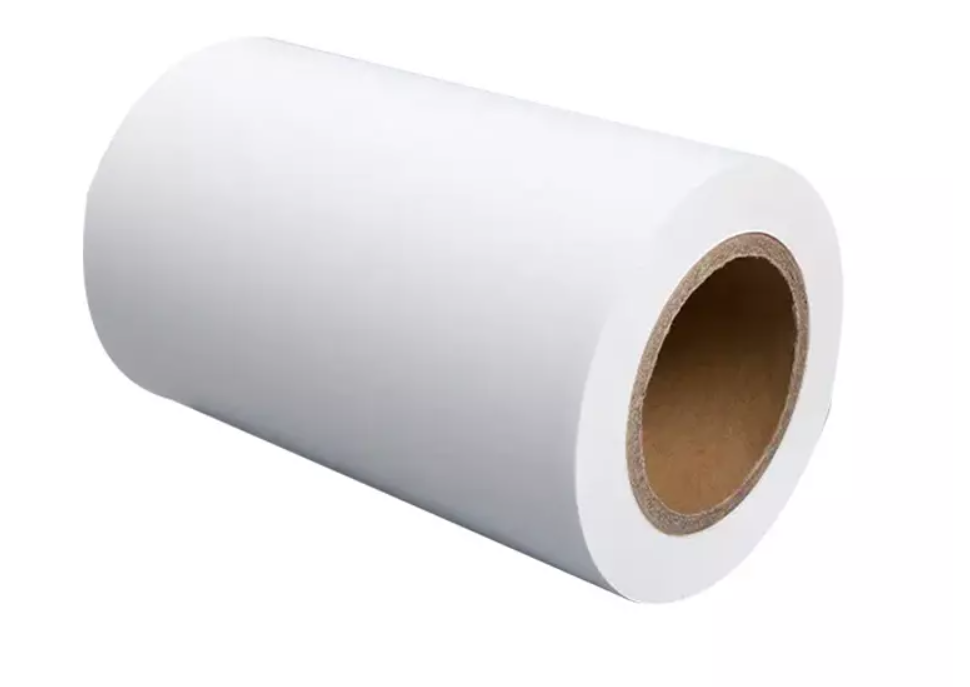
Sticker release paper is a crucial yet often overlooked material in the adhesive industry. Have you ever wondered how stickers stay intact until they’re ready for use? This special paper serves as a protective layer, ensuring that adhesives remain intact and do not bond prematurely.
In this article, we will dive into what sticker release paper is, how it works, its different types, and the various industries that rely on it. You’ll also learn how businesses like Hengmu leverage high-quality release liners to improve adhesive application processes.
Sticker release paper, also known as backing paper or release liner, is a specially designed backing material that prevents adhesives from sticking until they’re ready for application. It is often coated with silicone or other non-stick agents to serve as a protective barrier for products like labels, stickers, and tapes.
The primary function of sticker release paper is to prevent the adhesive from prematurely bonding to surfaces, ensuring it stays intact until it’s time to be applied. This allows businesses to store and transport adhesive products without damaging the adhesive.
At Hengmu, we specialize in producing high-quality release liners that ensure smooth and efficient adhesive applications, reducing friction and ensuring adhesives are applied exactly where needed.
Sticker release paper works by using a release agent like silicone to coat its surface. This makes the paper slippery, preventing adhesives from bonding to it. This non-stick property ensures that when it’s time to apply the sticker, the adhesive works as intended.
The paper also provides flexibility, allowing stickers to be peeled off and repositioned without damaging the adhesive. This ensures that stickers or labels stay intact until applied to the desired surface.
Note: For industries dealing with bulk adhesive products, it’s essential to ensure that release paper is evenly coated. Poor coating can lead to adhesive leakage and premature bonding.
Protection Against Adhesive Damage: Release paper keeps adhesives safe from moisture, dust, and heat, which could otherwise impact adhesive performance.
Efficient Storage: It provides a smooth, protective surface for storing stickers, labels, and tapes, improving organization.
Versatility: Besides organizing stickers, release paper is useful in crafting, packaging, and providing a work surface for adhesive-related applications.
Sticker release paper is ideal for organizing and storing stickers. Whether you’re creating a sticker album, scrapbooking, or simply organizing items, release paper helps prevent the adhesive from losing its strength. It’s also widely used in DIY crafts, where it ensures that embellishments, stamps, and other materials do not stick prematurely.
Release paper plays an essential role in die-cutting applications, especially for intricate designs. By placing die-cuts on release paper, businesses can ensure that the adhesive won’t stick to unintended surfaces during cutting. This prevents damage to delicate designs, making the process smoother.
Note: For large-scale die-cutting projects, ensure your release paper can withstand the cutting process without tearing or interfering with the design.
Release paper allows businesses or DIY enthusiasts to create custom sticker sheets by placing stickers on the paper, ensuring easy storage and application. This method eliminates the need for bulky packaging and specialized storage.
Tip: Release paper helps maintain the quality of DIY stickers, ensuring the adhesive properties remain intact until used.
| Type of Release Paper | Common Uses | Key Features |
|---|---|---|
| Silicone-Coated | Stickers, labels, tapes | Non-stick, cost-effective |
| Glassine | Packaging delicate items, die-cutting | Tear-resistant, smooth finish |
| CCK | Automotive, aerospace industries | Heat-resistant, durable |
| Uncoated | General adhesive applications | Simple solution, basic use |
Silicone-coated release paper is one of the most commonly used types. Its non-stick properties make it the ideal choice for preventing adhesives from sticking prematurely. It is widely used in the production of stickers, labels, and tapes.
Common Uses: Silicone-coated release paper is typically used for stickers, labels, and tapes to ensure that they stay intact during storage and transportation.
Glassine release paper is made from super-pressed paper, offering a smooth, non-stick surface. It’s known for its tear resistance and smoothness, making it ideal for packaging delicate items or in die-cutting applications.
Common Uses: Glassine is often used in packaging applications, protecting items during shipping or handling.
There are several other types of release paper to meet specific industry needs:
CCK Release Paper: Coated with clay and special release agents, this variant is heat-resistant, commonly used in automotive and aerospace industries.
Uncoated Release Paper: Used where silicone coatings are unsuitable, offering a simpler solution for some applications.
Note: Always ensure the release paper material and coating are appropriate for your specific production needs.
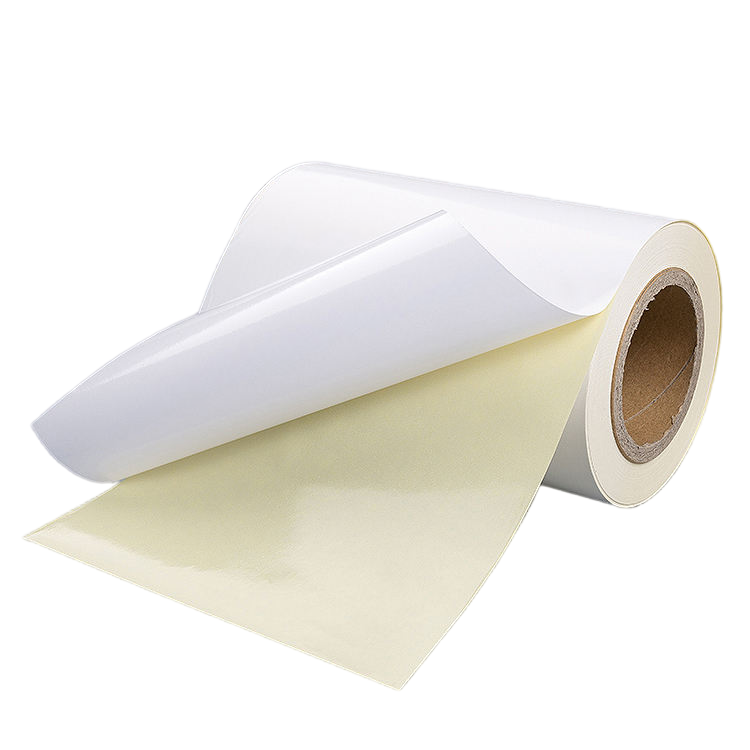
The production process of sticker release paper starts with selecting the right raw materials, which are crucial for ensuring the quality and durability of the final product. High-quality base paper is essential as it forms the foundation of the release paper. It must be strong enough to handle industrial processes and provide the necessary support for the adhesive. Additionally, release agents, such as silicone or other non-stick agents, are vital in ensuring that the paper does not bond with the adhesive prematurely. The right combination of materials will result in a release paper that offers superior performance.
Once the base paper is prepared, the next critical step is coating it with a release agent like silicone. This coating is responsible for providing the paper’s non-stick properties. The release agent prevents the adhesive from bonding to the paper prematurely, allowing the sticker or label to be easily peeled off when needed. During the lamination process, the coating must be applied evenly to ensure consistent performance across large batches of release paper. Uniform application of the release agent ensures that each sheet or roll performs at the same high standard, preventing issues such as adhesive leakage or uneven release properties.
After the coating and drying processes are completed, the release paper undergoes thorough quality control checks. These checks ensure that the release paper meets all the required standards, including its non-stick properties, strength, and durability. The paper is then cut into sheets or rolls based on customer requirements, whether it’s for packaging, labeling, or other applications. Cutting the release paper into the correct size is crucial for ease of use and efficient application in the target industry.
Quality control is an essential step in ensuring that the release paper will function as expected in real-world applications. Any inconsistencies in coating or quality during production could lead to product failure, which is why this step is critical before the paper is distributed.
A high-quality sticker release paper should possess excellent tensile and tear strength. This ensures the paper can withstand physical stress during handling and transportation, especially when it is used in packaging or industrial applications. The paper must be robust enough to resist tearing or stretching under pressure, as it will often undergo rough handling or be subjected to mechanical processes like die-cutting. The ability to maintain its integrity under pressure ensures that the adhesive remains securely protected, and the paper does not tear or lose its protective qualities.
Tip: Choose release paper with high tensile strength if your products will undergo heavy handling or transport. This will help ensure that the release paper performs well throughout the supply chain, reducing the risk of damage and providing reliable protection for adhesives.
Sticker release paper must also be resistant to chemicals and moisture. In industrial settings, release paper can be exposed to various chemicals, oils, or moisture that could compromise its integrity. If the paper isn’t resistant to these elements, it could degrade over time, leading to premature bonding of the adhesive or failure of the adhesive properties. Moisture resistance is especially critical for products that need to be stored in humid environments or for extended periods. Chemical resistance ensures that the release paper maintains its properties even when exposed to different substances during production or transportation.
Sticker release paper that is both chemically and moisture-resistant ensures the adhesive remains intact and protected, allowing for smooth application without any unwanted interference from environmental factors.
The surface of high-quality sticker release paper must be smooth and non-sticky. This smooth surface is essential because it ensures that the adhesive can be easily peeled off when the sticker or label is ready for application. A non-sticky surface guarantees that no adhesive residue is left behind on the release paper, which could otherwise cause issues when peeling or applying the sticker. Additionally, a smooth surface ensures that the sticker or label maintains its original shape and design, without any distortions caused by uneven paper surfaces.
The smoothness of the release paper is also important in applications like crafting or die-cutting, where the paper acts as a stable base for intricate designs. Ensuring that the release paper remains smooth and free of imperfections improves the overall quality of the adhesive product and enhances its functionality.
Release paper plays an essential role in the packaging and labeling industry. It ensures that adhesive products, such as stickers, labels, and tapes, remain intact during storage and transportation. By providing a protective barrier, it prevents premature bonding, ensuring that the labels and stickers are ready to apply when needed, without any issues. This reliability is crucial in industries that rely on large-scale adhesive applications, such as shipping and retail, where consistency and quality control are paramount.
In the electronics and medical industries, release paper is vital for ensuring adhesives do not stick prematurely. These industries often deal with highly sensitive components where precision is crucial. Release paper prevents adhesives from bonding to surfaces until application, reducing the risk of contamination. In medical device manufacturing, it ensures that sterile components are free from adhesive residues, which could compromise the product's effectiveness or safety.
Tip: For industries requiring precision, opt for silicone-coated release paper to ensure clean and smooth adhesive application, which is critical for maintaining product integrity.
Release paper is widely used in crafting and DIY projects, especially in activities like scrapbooking, card-making, and other artistic endeavors. It provides a smooth, non-stick surface that helps organize adhesives and embellishments, ensuring they remain in perfect condition until they are applied. Whether for intricate designs or large-scale craft projects, release paper keeps materials from sticking prematurely, making it easier to work with various decorative elements and adhesives in a controlled, organized manner.
Sticker release paper plays a pivotal role in ensuring adhesives remain intact until they are ready for use. Its non-stick properties, versatility, and durability make it a crucial component across various industries, including packaging, labels, medical, and crafting. By choosing the right release paper, businesses can optimize their production processes and improve the efficiency of their adhesive products.
For companies like Hengmu, their high-quality release liners provide superior value, offering reliable release properties that streamline adhesive application processes.
A: Sticker release paper is a non-stick backing material used to protect adhesives, ensuring they don’t bond prematurely. It keeps stickers, labels, and tapes intact until they're ready to be applied.
A: Sticker release paper is coated with a release agent like silicone, which prevents adhesives from sticking to it. This ensures that when it's time to apply the sticker, the adhesive works as intended.
A: Sticker release paper is crucial because it helps store and transport adhesive products without damaging their adhesive properties. It ensures that the adhesive stays intact until needed.
A: Yes, Sticker Release Paper is highly versatile and often used in crafting. It helps organize stickers and embellishments and provides a smooth, non-stick surface for die-cutting and other adhesive-related projects.
A: The benefits of using Sticker Release Paper include protecting adhesives from environmental damage, improving storage and organization, and providing a versatile surface for various applications, from packaging to crafting.


