


Views: 0 Author: Site Editor Publish Time: 2025-09-03 Origin: Site


Have you ever wondered what makes some packaging both eco-friendly and visually appealing? Glassine paper might be the answer. This smooth, translucent paper is not just eye-catching; it's an essential material in sustainable packaging. In this post, you'll learn about the importance of glassine paper in packaging and explore its numerous benefits for businesses and the environment.
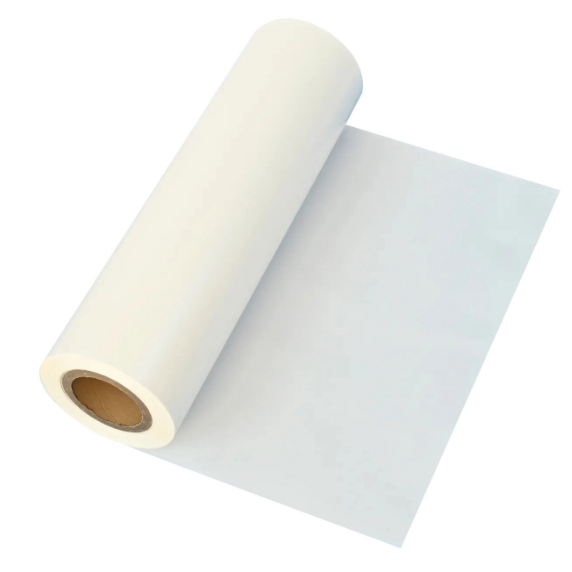
Glassine paper is a smooth, glossy, and translucent paper made primarily from wood pulp. Its unique features come from a special treatment process that compresses and aligns cellulose fibers tightly. This results in a dense, grease-resistant, and moisture-resistant surface. The paper is acid-free and has a neutral pH, making it ideal for preserving delicate items without causing damage. It’s lightweight yet durable, offering protection while maintaining a sleek, semi-transparent look that allows a subtle view of the contents inside.
The production of glassine paper involves several precise steps:
Pulp Preparation: High-quality wood pulp, often bleached Kraft pulp, is refined and beaten to create a smooth slurry.
Sheet Formation: The slurry is spread thinly on a moving mesh belt, where water drains, leaving a thin fiber mat.
Drying: The wet sheet passes through heated rollers to remove moisture thoroughly.
Supercalendering: This critical step involves pressing the dried paper between heated steel and cotton rollers under high pressure. It compresses the fibers, removes air pockets, and aligns them, giving glassine its signature smoothness, gloss, and translucency.
Customization: Afterward, the paper can be printed, coated, or die-cut to meet specific packaging needs.
This method produces a paper that’s strong, resistant to grease and moisture, and visually appealing.
Glassine paper stands out as an eco-friendly packaging material. Since it’s made from renewable wood pulp, it’s biodegradable and recyclable. Unlike plastics, which can take centuries to decompose and often leave harmful residues, glassine breaks down naturally without releasing toxins. Its recyclability means it can be reused in paper products, reducing waste. Moreover, many manufacturers source pulp from sustainably managed forests, further minimizing environmental impact.
Using glassine paper helps businesses reduce their carbon footprint and appeal to eco-conscious consumers. Its biodegradable nature makes it an excellent choice for companies aiming to switch from plastic to greener packaging solutions.
Note: Glassine paper’s supercalendering process is key to its durability and grease resistance, ensuring reliable protection while supporting eco-friendly packaging goals.
Glassine paper is an excellent choice for food packaging due to its grease-resistant and moisture-resistant properties. It protects baked goods like cookies, pastries, and chocolates from grease stains, keeping the packaging neat and attractive. Its semi-translucent surface allows customers to glimpse the product inside without fully exposing it, adding an element of anticipation and appeal. Glassine bags and envelopes are also food-safe, making them suitable for dry goods such as nuts, spices, and tea. They help maintain freshness by minimizing moisture buildup, which is crucial for preserving flavor and quality. Additionally, glassine’s breathability extends the shelf life of herbs and some fruits by allowing air circulation while preventing premature wilting.
Artists and crafters often use glassine paper to protect and organize their supplies. Its smooth, acid-free surface prevents smudging and sticking, making it ideal for storing pencils, charcoal, stickers, photos, and small art pieces. Glassine sheets serve as interleaving material between delicate artworks or documents, safeguarding them from abrasion and dust. The translucent quality lets users identify contents quickly without exposing the items to environmental damage. Moreover, glassine envelopes provide a neat, professional way to package small craft supplies or collectibles, enhancing presentation while maintaining protection.
Retailers and gift makers appreciate glassine paper for its elegant look and protective qualities. Glassine bags are perfect for packaging jewelry, such as earrings, bracelets, and necklaces, preventing scratches while offering a glimpse of the product. Clothing retailers use glassine bags for items like scarves, socks, and t-shirts, combining visibility and sophistication. The paper’s smooth texture and subtle gloss elevate the unboxing experience, making products feel more luxurious. Custom printing and branding options further enhance glassine packaging, allowing businesses to create memorable, eco-friendly presentations that resonate with customers.
In pharmaceuticals and cosmetics, glassine paper shines as a protective, hygienic packaging option. Its moisture resistance helps keep powders, bath salts, pills, and other products dry and uncontaminated. Glassine’s acid-free and non-toxic nature ensures it won’t react with sensitive ingredients, preserving product integrity. The paper can also be sterilized, meeting strict safety standards required in medical packaging. Additionally, its lightweight and durable qualities make it suitable for temporary sterile packaging, enhancing both safety and convenience.
Tip: When packaging delicate or moisture-sensitive products like cosmetics or seeds, use glassine paper combined with proper sealing techniques to maximize protection and freshness.
Glassine paper is a smart choice for eco-conscious brands. Made from wood pulp, it’s fully biodegradable and recyclable. Unlike plastic, it breaks down naturally without leaving harmful residues. Many manufacturers use pulp from sustainably managed forests, reducing environmental impact further. This helps businesses lower their carbon footprint and appeal to customers who value green products. Switching to glassine paper supports a circular economy and aligns packaging with sustainability goals.
Despite its lightweight feel, glassine paper is tough. The supercalendering process compresses fibers tightly, making it grease-resistant and moisture-resistant. It protects products from oils, dirt, and light moisture, preserving freshness and quality. Glassine’s smooth finish also prevents sticking and abrasion, ideal for delicate goods like jewelry, food, or documents. While not fully waterproof, it withstands typical handling and shipping stresses, keeping contents safe and intact.
Glassine paper offers a sleek, glossy look that elevates product presentation. Its semi-transparency lets customers glimpse the product without full exposure, creating curiosity and enhancing unboxing appeal. Brands can customize glassine with printing, embossing, or coatings to reflect their identity. This versatility allows for unique designs or logos that boost brand recognition. The premium feel of glassine can make even simple packaging look high-end and thoughtful, helping products stand out on shelves.
Glassine paper is affordable compared to many specialty packaging materials. It balances cost with quality, offering durability without heavy weight or bulk. Its flexibility suits a wide range of products—from food items and cosmetics to art supplies and retail goods. Glassine can be cut, folded, or formed into bags and envelopes easily, streamlining packaging processes. This adaptability means companies can use a single material for multiple packaging needs, reducing complexity and inventory costs.
Tip: When choosing glassine paper for packaging, consider combining its protective qualities with custom printing to create eco-friendly packaging that also strengthens your brand identity.
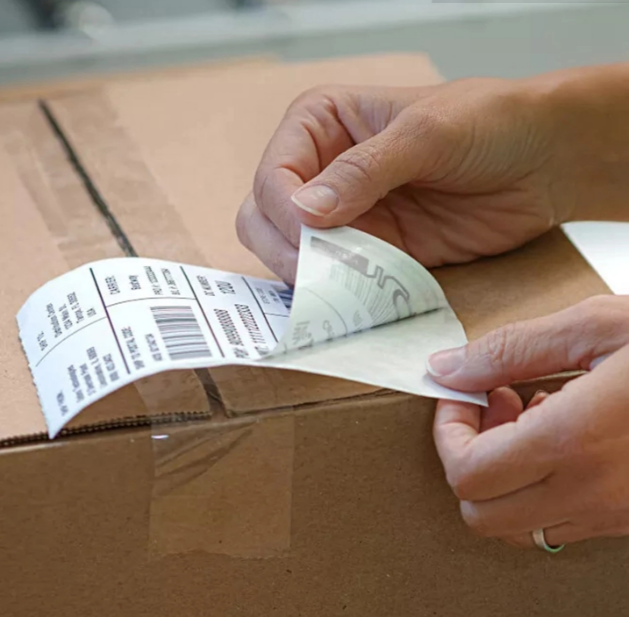
Sealing glassine bags correctly is essential to maintain product freshness and protection. For food items, especially baked goods or seeds, use heat-activated adhesives or custom labels to close bags securely. These seals prevent air and moisture from entering, extending shelf life. When heat sealing is unavailable, folding the bag's opening neatly and securing it with branded stickers or tamper-evident labels works well. Avoid over-reliance on tape, as it may not adhere properly to the smooth glassine surface.
Glassine paper offers moderate durability, but extra care is needed when packaging fragile products like jewelry or delicate art supplies. Use additional glassine sheets as padding layers inside bags or boxes to prevent scratching and abrasion. For very delicate items, combine glassine with soft tissue paper or bubble wrap for enhanced cushioning. Layering also helps maintain product organization, especially in multi-item packages, reducing movement and potential damage during transit.
Selecting the correct glassine bag size is crucial. Bags too large can cause items to shift, increasing damage risk, while bags too small may stress the material and cause tears. Measure your product dimensions carefully before ordering glassine bags or sheets. Leave slight extra room for easy insertion and removal but avoid excess space. Overpacking stresses seals and the paper itself, compromising protection and presentation. Keeping packages neat and appropriately sized ensures a professional look and better product safety.
Glassine paper's smooth surface allows excellent customization options. Printing logos, brand colors, or product information directly on glassine bags or sheets elevates packaging appeal. Custom labels, stamps, or stickers also add a personal touch while reinforcing brand identity. Consider embossing or using metallic inks for premium effects. Customization not only enhances customer experience but also communicates your commitment to sustainability and quality. When designing, ensure print materials are compatible with glassine's glossy surface to avoid smudging.
Wax paper is a common alternative to glassine paper, especially in food packaging. Both materials offer grease resistance, but wax paper is coated with a thin layer of wax, which gives it a water-resistant surface. This makes wax paper slightly better for packaging moist or oily foods that might leak. However, wax paper is less translucent and less durable than glassine. It also tends to be less smooth and glossy, reducing its appeal for premium packaging. Environmentally, wax paper is biodegradable but often harder to recycle due to the wax coating, whereas glassine paper is both recyclable and biodegradable, making it a more eco-friendly choice.
Kraft paper is another popular substitute for glassine paper. It is made from unbleached wood pulp, giving it a natural brown color and a sturdy texture. Kraft paper is highly durable, tear-resistant, and recyclable, making it a strong contender for eco-friendly packaging. Unlike glassine, kraft paper is opaque and has a rustic, earthy look, which suits brands aiming for a natural or handmade aesthetic. It’s widely used for wrapping, envelopes, and protective packaging. However, kraft paper lacks the translucency and smooth gloss of glassine, so it doesn’t offer the same premium or delicate presentation.
Biodegradable cellophane is a transparent, compostable film made from cellulose, often from wood pulp or cotton. It offers excellent clarity, allowing full product visibility, unlike the semi-translucent glassine. Cellophane is moisture-resistant and food-safe, making it ideal for packaging food items, flowers, or gifts where showcasing the product is important. Being biodegradable, it aligns well with eco-friendly packaging goals. However, it can be more expensive and less flexible than glassine paper. Other alternatives include parchment paper, which is heat-resistant and non-stick, and vellum paper, which is translucent and smooth but less moisture-resistant. Each alternative has unique features, so the choice depends on the specific packaging needs and brand values.
Glassine paper, while versatile and eco-friendly, has some limitations to consider. It is moisture-resistant but not fully waterproof. This means it can handle light exposure to moisture but may not protect products in very wet or humid conditions. Also, glassine is thin and can tear if over-stressed or improperly handled, especially when packaging heavier or sharp-edged items. Its semi-transparency, although attractive, may not be suitable for products requiring complete concealment or privacy. Furthermore, glassine’s grease resistance is excellent but not absolute; prolonged contact with very oily substances might eventually degrade the paper.
To overcome glassine’s moisture limitations, combining it with other packaging elements helps. For example, double-layering glassine sheets or pairing glassine bags with an outer waterproof box or pouch adds extra protection. Heat sealing glassine bags tightly reduces air and moisture entry, preserving product freshness, especially for food items. Applying water-resistant coatings or using wax-coated glassine variants enhances moisture protection but may affect recyclability. Businesses should assess their product’s moisture exposure and choose the right glassine type or complementary packaging accordingly.
Maintaining product integrity requires careful use of glassine paper. Selecting the correct size prevents overpacking, which can cause tears or compromised seals. Using additional padding like tissue paper or bubble wrap inside glassine packaging protects fragile goods from shocks and scratches. Proper sealing techniques—heat seals, branded stickers, or tamper-evident labels—keep contents secure and fresh. For highly sensitive products, combining glassine with moisture-absorbing packets or placing it inside rigid containers ensures optimal protection. Testing packaging under real shipping and handling conditions is essential to confirm durability and performance.
Glassine paper offers eco-friendly, versatile, and protective packaging solutions. Its grease-resistant and moisture-resistant properties make it ideal for various applications. As the demand for sustainable packaging grows, glassine paper is poised to play a significant role in future eco-friendly trends. Hengmu provides high-quality glassine paper that enhances product presentation and aligns with sustainability goals. Choosing glassine paper from Hengmu ensures businesses can meet consumer expectations for greener packaging options, adding value and appeal to their products.
A: Glassine paper is used for packaging due to its grease-resistant and moisture-resistant qualities, making it ideal for food, art supplies, and retail items.
A: Glassine paper is more translucent and eco-friendly than wax paper, which is coated and less recyclable.
A: Glassine paper is biodegradable and recyclable, aligning with eco-friendly goals and reducing environmental impact.
A: Use proper sealing, additional padding, and correct sizing to protect products and maintain integrity with glassine paper.


