


Views: 0 Author: Site Editor Publish Time: 2025-11-24 Origin: Site


Diamond painting is a captivating art form that combines the beauty of sparkling resin diamonds with the joy of creating stunning artwork. To ensure a smooth and efficient diamond painting experience, having the right tools is crucial. One such essential tool is release paper, which plays a pivotal role in protecting the adhesive surface of your canvas while you work. This article will guide you on how to use release paper for diamond painting, explain its benefits, and provide a detailed, step-by-step process to help enhance your diamond painting experience.
Release paper, also known as backing paper or release liner, is a non-stick material that is used to cover the adhesive surface of a diamond painting canvas. It serves as a protective barrier to prevent dirt, dust, and other environmental contaminants from affecting the adhesive. Release paper allows you to work on your painting in sections, ensuring that the adhesive surface remains clean and untouched until you're ready to place diamonds.
In diamond painting, release liners, like those manufactured by Hengmu, provide excellent release properties. Hengmu’s release liners are precisely engineered to meet various industry needs, offering durability, consistency, and high performance. These release papers play a crucial role not only in the diamond painting process but also in many other industries, including packaging, automotive, electronics, and medical applications.
Before diving into your diamond painting project, it's crucial to set up an organized and clean workspace. A flat, sturdy surface like a table or desk is ideal for laying your canvas down. It’s important to have plenty of room to spread out all the necessary tools, such as your diamond beads, trays, applicators, and, of course, release paper. By having all your materials within easy reach, you reduce unnecessary movement and can focus entirely on the painting process. A clutter-free workspace allows for a more enjoyable and productive session, as you can stay organized and keep your tools clean and accessible.
Tip: Make sure the surface is free of dust and debris to prevent contamination from affecting your canvas. Consider using a soft cloth to wipe down the table before you start.
Once you've prepared your workspace, the next step is to unroll the diamond painting canvas. This is a critical stage, as wrinkles or creases in the canvas can cause problems during the diamond placement process. Start by carefully unrolling the canvas and laying it flat on your workspace. If you notice any wrinkles or creases, place some heavy books or flat objects on the corners and edges of the canvas for a few hours. This will help the canvas remain smooth and flat while you work. Ensuring the canvas lies perfectly flat ensures that the adhesive surface is even and free of bumps, making the diamond placement easier and more accurate.
Now that your canvas is ready, the next important step is to apply the release paper. Release paper protects the adhesive surface of the canvas from dust, dirt, and other contaminants while you work. Begin by cutting the release paper to fit the size of your canvas. Carefully peel off a sheet of release paper and place it directly over the adhesive surface, making sure that it covers the entire area that you’ll be working on. When placing the release paper, overlap the edges slightly to ensure that every sticky part of the canvas is protected. By doing this, you prevent any areas from being exposed prematurely to dust or environmental factors.
This protective step is essential to maintain the adhesive’s integrity, ensuring that each section of the canvas remains sticky and free from contamination as you work on your diamond painting.
Once the release paper is applied to the canvas, it’s time to start peeling it off. It’s best to work in sections, so gently peel off a small part of the release paper, exposing the adhesive canvas underneath. Working in manageable sections allows you to focus on one area at a time, which not only helps keep the adhesive clean but also ensures that you’re working on a fresh, exposed surface that hasn’t been compromised by environmental elements like dust or oils from your hands. This also minimizes the risk of making mistakes or placing diamonds in the wrong spots.
By exposing a small section at a time, you’ll be able to work more efficiently, without overwhelming yourself with too much sticky area. As you progress, you can continue to peel back the release paper as needed, keeping the adhesive surface fresh for diamond placement.
With a small section of the canvas exposed, it’s time to start placing diamonds. Use a diamond applicator tool, which helps you pick up a diamond bead from the tray and place it precisely on the corresponding symbol on the canvas. The adhesive beneath the release paper will hold the diamond securely in place, and the release paper ensures that the surrounding areas of the canvas stay clean. As you continue working, move section by section, exposing only the area you're actively working on and placing diamonds one by one.
This method ensures that you are working in a controlled, organized manner, preventing any mess or mistakes. The beauty of diamond painting comes from the precision and attention to detail, and using release paper makes it easier to maintain that focus while achieving a stunning final piece. Keep working in sections, and before you know it, your entire canvas will be covered in dazzling diamonds.
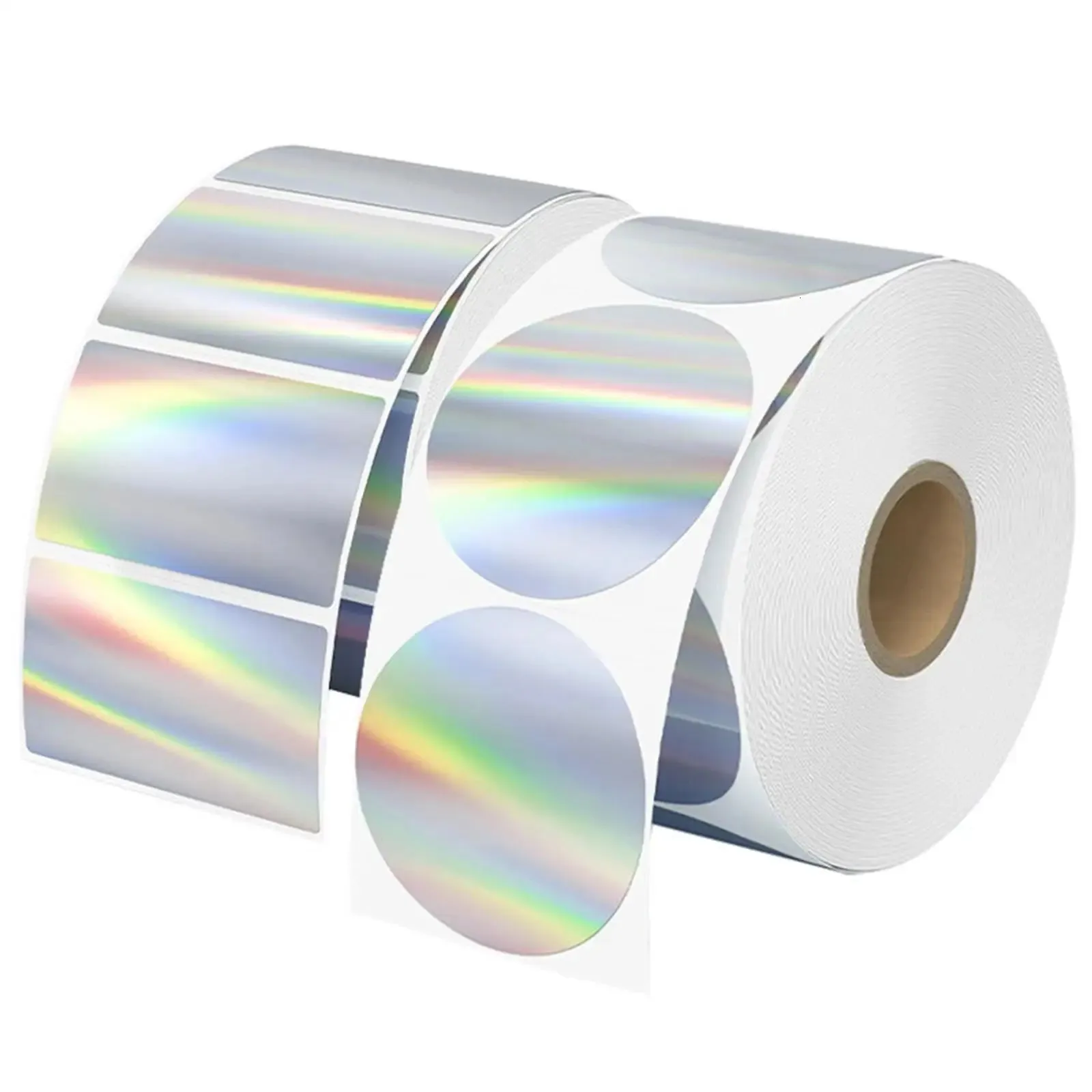
Release paper plays a critical role in protecting the adhesive surface of your diamond painting canvas. The adhesive is the key element that holds the diamonds in place, so it must be kept clean and free from dust, dirt, oils, and other contaminants that could interfere with its bonding properties. The release paper acts as a protective shield, ensuring that no external factors touch the sticky surface while you work. This is especially important when handling large canvases or working in environments where dust is prevalent. Without release paper, the adhesive can attract particles, which may cause the diamonds to slip or fail to adhere properly. By keeping the canvas covered with release paper until you are ready to place the diamonds, you maintain the integrity of the adhesive throughout the entire process, ensuring a flawless and long-lasting final piece.
One of the greatest benefits of using release paper in diamond painting is the improved precision and control it offers. By working in sections and peeling back the release paper only when needed, you are able to expose a small part of the canvas at a time, which allows you to focus entirely on that specific area. This method reduces the chances of mistakes and ensures that each diamond is placed exactly where it belongs, creating a cleaner and more detailed artwork. Additionally, this approach helps you avoid the frustration of accidentally smudging or disturbing diamonds that have already been placed. The ability to work methodically and with precision ensures that your diamond painting remains neat and organized from start to finish, leading to better results and a higher level of satisfaction with your artwork.
Release paper is designed to be easily removable without leaving any sticky residue behind. This feature is crucial for maintaining the quality and cleanliness of your diamond painting project. As you work, you’ll likely peel back the release paper in sections to expose the adhesive surface. The process of removing the paper is smooth and hassle-free, allowing you to continue your work without interruption. Unlike other types of protective films that may leave a sticky residue, release paper’s non-stick design ensures that the canvas remains clean and undamaged. Once you finish a section, simply peel off the paper, exposing the next part of the canvas. This ease of removal is particularly beneficial for larger diamond painting projects, as it allows you to quickly move from one section to another without worrying about damaging your canvas or the diamonds that have already been placed.
Using release paper allows you to work more efficiently and with fewer distractions. By covering the adhesive canvas with release paper, you ensure that only the section you’re actively working on is exposed, which prevents the adhesive from being exposed to dust or contamination while you focus on other areas. This method helps you stay organized and avoid working on too large an area at once, which can lead to mistakes or the adhesive becoming too exposed. Working in smaller sections also means you can concentrate on one part of the canvas at a time, making the painting process less overwhelming and more enjoyable. This efficient workflow allows you to track your progress easily, ensuring that you maintain a clean, organized working environment and improving productivity. By preventing contamination and focusing on small, manageable areas, you can finish your diamond painting project more quickly while still maintaining the highest quality.
When choosing release paper for diamond painting, it’s important to consider the type of paper that will best suit your needs. Below is a table that outlines the different types of release paper and their key features:
| Type of Release Paper | Common Uses | Key Features |
|---|---|---|
| Silicone-Coated | Stickers, labels, tapes | Non-stick, cost-effective |
| Glassine | Packaging delicate items, die-cutting | Tear-resistant, smooth finish |
| CCK | Automotive, aerospace industries | Heat-resistant, durable |
| Uncoated | General adhesive applications | Simple solution, basic use |
Silicone-coated release paper is the most commonly used type. Its non-stick properties make it ideal for preventing adhesives from sticking prematurely. It is widely used in diamond painting for covering the adhesive canvas while you work.
Common Uses: Silicone-coated release paper is often used for stickers, labels, and tapes. It keeps the adhesive intact during storage and transportation.
Tip: For most diamond painting projects, silicone-coated release paper is recommended due to its performance and affordability.
Glassine release paper is made from super-pressed paper, providing a smooth, non-stick surface. It is known for its tear resistance and smoothness, making it ideal for applications that require both durability and smoothness, such as packaging delicate items or in die-cutting.
Common Uses: Glassine release paper is often used to protect items during shipping or in die-cutting applications.
Other types of release paper, such as CCK (heat-resistant release paper) and uncoated release paper, are available for specific industry needs. CCK release paper is often used in high-temperature environments, such as automotive or aerospace applications.
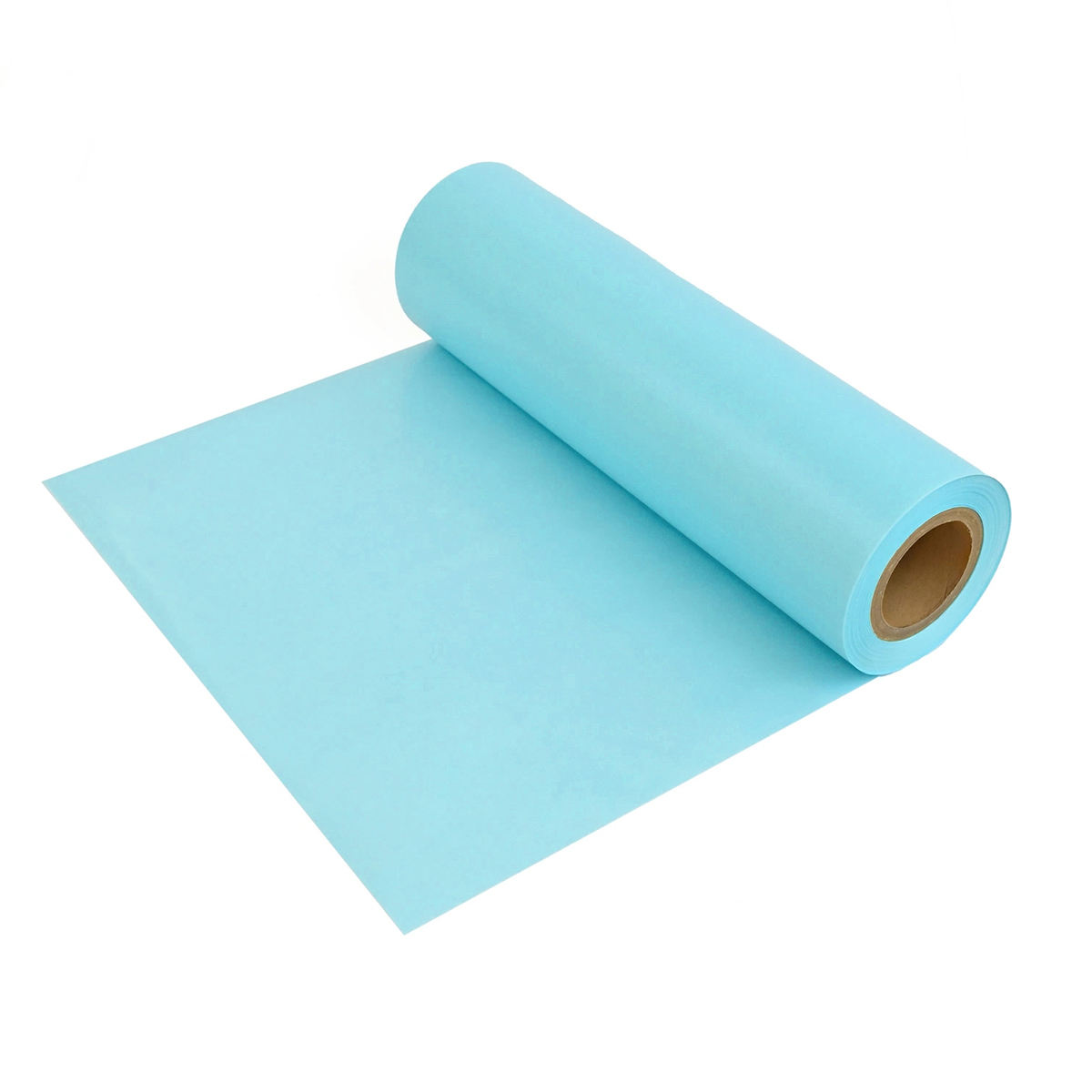
A: Release paper is a protective sheet that covers the adhesive surface of the diamond painting canvas. It prevents contamination and allows you to work in sections.
A: Release paper ensures that the adhesive surface remains clean and free from dirt and debris, improving the precision and quality of the diamond placement.
A: While it’s possible to reuse release paper, it’s generally recommended to use a fresh sheet for each project to avoid the transfer of dust and debris.
A: After removing the original plastic cover, place the release paper directly onto the adhesive surface, ensuring that it covers all sticky areas. Peel it back gradually as you work.
Release paper is an essential tool for diamond painting, helping protect your canvas, improve precision, and ensure a smooth painting process. By following the steps outlined in this guide and using high-quality release paper, such as those produced by Hengmu, you can enhance your diamond painting experience. Working in sections, protecting the adhesive surface, and maintaining a clean workspace all contribute to a flawless and enjoyable diamond painting process.


