


Views: 0 Author: Site Editor Publish Time: 2025-09-12 Origin: Site


Could you imagine a world where sticky substances cause chaos in manufacturing? Release paper is the unsung hero preventing such mayhem. But what exactly is release paper, and why is it vital across industries? In this post, you'll learn about its definition, functionality, and significance in sectors like electronics and automotive.
Definition and Functionality
Release paper, also known as release liner, is a specialized paper or plastic film designed to prevent sticky surfaces from adhering prematurely. It acts as a protective carrier for adhesives or other tacky materials during manufacturing, storage, and transportation. The key feature of release paper is its coating with a release agent, which creates a low surface energy layer. This layer enables easy separation of the sticky material from the liner without damaging either surface.
In essence, release paper functions as a barrier between sticky substances and other surfaces. It ensures that adhesives, tapes, or films do not stick where they shouldn't, preserving product quality and facilitating efficient handling.
Types of Release Paper
Release paper comes in various types, mainly distinguished by their base material and the kind of release agent applied. These types include:
Paper-based Release Paper: Typically made from kraft paper or glassine paper, these liners offer good dimensional stability and are widely used in applications like labels and adhesive tapes. They are often coated with silicone to provide the release effect.
Plastic Film Release Paper: Made from polyester (PET), polypropylene (PP), or polyethylene (PE), these liners provide higher durability, moisture resistance, and heat tolerance. Plastic film liners are common in high-performance applications such as electronics and automotive industries.
Silicone vs. Non-silicone Release Paper: Silicone-coated release papers are most common due to their excellent release properties and chemical inertness. Non-silicone release agents exist for specific applications where silicone might interfere with the adhesive or product performance.
Each type suits different industrial needs based on factors such as temperature resistance, flexibility, and the nature of the adhesive involved.
Note: Choosing the correct type of release paper depends on the adhesive type, application environment, and handling requirements to ensure optimal performance.
Release paper comes in different materials, each designed to meet specific needs in various industries. Understanding these materials helps in selecting the right release paper for your application.
Paper-based release liners are the most common type. They usually come from kraft paper or glassine paper.
Kraft Paper: Strong and durable, often used in labels and adhesive tapes. It offers good dimensional stability and cost-effectiveness.
Glassine Paper: Smooth and translucent, glassine has a special coating that makes it resistant to grease and moisture. It’s popular in packaging food and delicate items.
Some paper liners are coated with polyolefin to improve smoothness, moisture resistance, and durability. These coatings help the paper resist damage during handling and storage.
Plastic film liners offer higher strength and resistance to moisture, heat, and chemicals compared to paper liners. They are often used in high-performance applications.
Common plastic films include:
PET (Polyester): Biaxially oriented PET (BO-PET) is tough and heat resistant, making it ideal for electronics and automotive uses.
BOPP (Biaxially Oriented Polypropylene): Flexible and moisture resistant, BOPP liners are widely used in packaging and labeling.
Polyethylene (PE): Offers good flexibility and moisture resistance, suitable for various packaging needs.
Plastic films can be single-layer or multi-layer coextrusions, combining different plastics for enhanced features. For example, a PET film coated with polyolefin combines toughness with a smooth surface.
Beyond paper and plastic films, some release liners use hybrid materials:
Poly-coated Kraft Papers: Kraft paper coated with polyolefin on one or both sides to enhance smoothness and moisture resistance.
Specialty Coatings: Some liners feature silicone or non-silicone release agents tailored for specific adhesive types or environmental conditions.
These materials provide unique benefits like improved release performance, enhanced durability, and compatibility with various adhesives.
Note: Selecting the right material for release paper depends on factors such as adhesive type, environmental conditions, and handling needs to ensure optimal performance and product protection.
Release paper plays a crucial role across many industries, providing a reliable solution for handling adhesives and sticky materials safely and efficiently. Its unique properties help prevent unwanted adhesion, protect surfaces, and improve manufacturing processes. Here are some key applications:
In electronics, release paper prevents prepreg materials—resin-impregnated fabrics used in circuit boards—from sticking during production. It also protects sensitive components from contamination. Plastic film release liners, especially PET-based, are common here due to their heat resistance and durability. This ensures smooth handling and maintains product quality in high-tech environments.
Automotive manufacturing often uses foam materials for seats, insulation, and padding. Release paper acts as a barrier during foam production and assembly, preventing the foam from sticking to molds or machinery. It isolates the foam, ensuring clean separation and protecting the surface finish. Paper-based liners coated with silicone are typical choices, balancing cost and performance.
In printing, release paper protects printed materials during processing and storage. It prevents inks and adhesives from sticking to unwanted areas, especially for pressure-sensitive labels and decals. Glassine paper, known for its smoothness and moisture resistance, is widely used. Release paper also helps in die-cutting and laminating processes, ensuring precise cuts and clean finishes.
Food packaging demands materials that resist moisture, grease, and heat. Glassine silicone-coated release paper meets these needs, providing a safe liner that prevents sticky foods or packaging adhesives from adhering prematurely. It is often used in wrapping baked goods, candies, and other sticky foods. This paper maintains hygiene and product integrity during packaging and transport.
Release paper serves many other sectors, including adhesives, medical supplies, construction, stationery, and advertising. For example:
In adhesive tape production, it acts as a carrier to prevent tape from sticking to itself or machinery.
Medical dressings use release liners to keep adhesive surfaces clean until application.
In wallpaper and artificial leather manufacturing, embossed release paper helps create textured finishes by acting as a casting surface.
These diverse applications highlight release paper’s versatility and essential role in modern manufacturing.
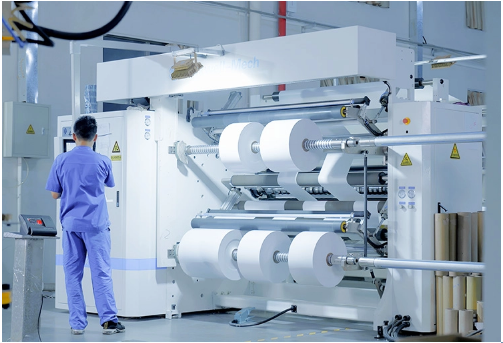
Silicone and Non-silicone Release Agents
Release agents are the secret behind release paper’s ability to prevent sticky materials from adhering. They coat the surface of the paper or film, forming a barrier that keeps adhesives from sticking permanently. The two main types are silicone-based and non-silicone release agents.
Silicone Release Agents: These are the most common. Silicone has low surface energy, which means adhesives don’t stick well to it. It’s chemically inert, heat resistant, and provides consistent release performance. Silicone coatings allow easy peeling without damaging the adhesive or the liner. They work well for a wide range of adhesives, including acrylic, rubber, and hot melts.
Non-silicone Release Agents: These are used when silicone could interfere with the adhesive or product performance. They include fluoropolymers, waxes, and other specialty coatings. Although they may not offer the same release consistency as silicone, they are essential for applications requiring specific chemical compatibility or environmental considerations.
Importance of Release Agents
Release agents are crucial because they:
Ensure Clean Separation: They allow adhesive products to separate smoothly from the liner without leaving residue or damaging the sticky surface.
Protect Adhesive Quality: By preventing premature adhesion, release agents maintain the adhesive’s effectiveness until use.
Improve Manufacturing Efficiency: Easy release reduces downtime caused by jams or defects during production.
Enhance Product Performance: Proper release agents ensure the final product performs as expected, whether it’s a label, tape, or protective film.
Choosing the right release agent depends on the adhesive type, application temperature, and end-use requirements. For example, silicone release agents suit high-temperature processes, while non-silicone options fit sensitive adhesives or eco-friendly products.
Note: Always match release agent type to adhesive and application conditions to guarantee optimal release performance and product quality.
The release paper industry consists of various players, mainly divided into two types: commercial coating companies and in-house producers. Each serves different needs and markets.
These companies specialize in producing release liners but do not manufacture the final adhesive products. They offer a wide range of substrates—like paper or plastic films—and combine them with various release agents to meet customer requirements. Their expertise lies in customizing release properties for different adhesives and applications. Customers then apply their sticky materials to these liners to create final products such as labels, tapes, or protective films.
Commercial coaters serve diverse industries, providing solutions for electronics, automotive, packaging, and more. Their ability to handle multiple materials and release agent formulas makes them key suppliers in the global supply chain.
In-house producers make release liners primarily for their own use in manufacturing end products. For example, a company producing adhesive labels might also produce the release liner tailored specifically for their labels. These producers usually focus on a narrow range of substrates and release agents optimized for their products.
This approach helps control quality and cost but limits flexibility since they cater to fewer applications. In-house production is common in businesses where release liner requirements are consistent and highly specialized.
Worldwide, about 400 to 500 companies manufacture or distribute release liners at an industrial scale. The market is diverse, with players ranging from large commercial coaters to smaller in-house producers. Demand for release paper grows alongside industries like electronics, automotive, medical, and packaging.
Material innovation and environmental concerns drive market trends. For instance, biodegradable liners and non-silicone release agents gain attention due to sustainability goals. Additionally, advances in coating technology improve release performance and durability.
Geographically, Asia-Pacific leads production and consumption, followed by North America and Europe. This distribution reflects the concentration of manufacturing industries and end-use markets in these regions.
Note: Selecting a release liner supplier depends on your product needs, volume, and customization requirements—commercial coaters offer variety and flexibility, while in-house producers provide tailored solutions for specific products.
Release paper offers several important benefits in manufacturing and product handling. Its unique properties help industries manage sticky materials safely, efficiently, and cleanly.
The primary benefit of release paper is preventing unwanted adhesion. Sticky substances like adhesives, tapes, or films can bond prematurely to surfaces or each other during production or storage. Release paper acts as a protective barrier, ensuring these materials don’t stick where they shouldn’t. This prevents damage to the adhesive layer and avoids costly defects or waste.
For example, in label production, release paper keeps the adhesive side from sticking to itself or other surfaces before application. This ensures labels peel off cleanly and stick only to the intended target.
Release paper protects delicate or coated surfaces during manufacturing and transport. It shields adhesives, films, or prepregs from dust, dirt, and moisture contamination. This protection preserves product quality and appearance.
In electronics, release liners protect sensitive circuit board prepregs from pollution and damage. Similarly, in food packaging, release paper prevents sticky foods or coatings from adhering to packaging materials prematurely, maintaining hygiene and product integrity.
Release paper also provides isolation between sticky materials and equipment or molds during production. This isolation prevents adhesive buildup on machinery, reducing downtime and cleaning needs. It also helps materials release cleanly from molds, improving production efficiency and product consistency.
In automotive foam manufacturing, release paper isolates foam from molds, allowing easy removal and protecting foam surface finish. In tape production, it prevents the tape from sticking to rollers or other equipment.
Tip: When selecting release paper, consider its release force and surface smoothness to match your adhesive type and process needs for optimal separation and protection.
Selecting the proper release paper is key to ensuring your product performs well and your manufacturing process runs smoothly. Several factors come into play when making this choice, including material type, thickness, and whether you need single or double-sided release paper.
Adhesive Type: Different adhesives interact uniquely with release liners. Some require silicone-coated papers for easy release, while others might need non-silicone agents to avoid chemical interference.
Application Environment: Temperature, humidity, and exposure to chemicals affect the liner’s performance. For example, high heat in electronics manufacturing demands heat-resistant liners like PET films.
Product Handling: If the product undergoes multiple handling steps, a more durable or moisture-resistant liner may be necessary.
Cost vs. Performance: Balancing budget with required performance is crucial. Paper liners are often cheaper but less durable than plastic films.
Material Choice: Paper-based liners, such as kraft or glassine, offer good dimensional stability and cost efficiency. Plastic films like PET or BOPP provide superior durability, moisture resistance, and heat tolerance.
Thickness: Thicker liners tend to be more durable and resist tearing but can increase material costs and reduce flexibility. Thinner liners are easier to handle but might not protect as well.
Coatings: Some liners have polyolefin or other coatings to improve smoothness, moisture resistance, and dimensional stability.
Single-sided Release Paper: Coated with a release agent on one side only. Used when only one sticky surface needs protection.
Double-sided Release Paper: Coated on both sides, protecting two adhesive surfaces simultaneously. Useful in applications like double-sided tapes or laminates.
Choosing between these depends on the product design and adhesive placement.
Tip: Always test release paper samples with your specific adhesive and process conditions before full-scale production to ensure optimal release and product performance.
Release paper, essential for managing adhesives, prevents unwanted adhesion and protects surfaces in various industries. It provides isolation during manufacturing, ensuring quality and efficiency. As industries evolve, the demand for advanced release paper grows. Hengmu, a leader in this field, offers innovative solutions tailored to specific needs, enhancing product performance and supporting sustainable practices. Their expertise ensures that businesses can rely on high-quality release paper to meet current and future industrial challenges.
A: Release paper is a specialized paper or plastic film that prevents sticky surfaces from adhering prematurely, acting as a protective carrier for adhesives during manufacturing, storage, and transportation.
A: In electronics, release paper prevents prepreg materials from sticking during production and protects components from contamination, especially using PET-based liners for heat resistance.
A: Release paper prevents unwanted adhesion, protects surfaces, and isolates sticky materials from equipment, enhancing manufacturing efficiency and product quality.
A: The cost of release paper varies based on material type, thickness, and coatings, with paper-based liners generally being more cost-effective than plastic films.
A: In the automotive industry, release paper acts as a barrier during foam production, preventing foam from sticking to molds and ensuring a clean surface finish.


