


Views: 0 Author: Site Editor Publish Time: 2025-09-01 Origin: Site


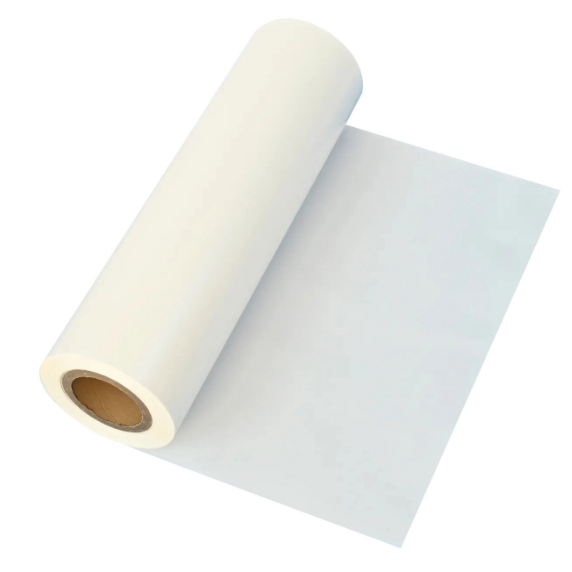
Ever wondered what makes certain packaging both eco-friendly and visually appealing? Enter glassine paper. This unique material, made from cellulose fibers, combines translucency with durability, making it ideal for various uses. In this post, you'll learn about glassine paper's composition, key properties, and significant applications across industries. Discover why it stands out as a sustainable packaging solution.
Glassine paper is primarily made from cellulose fibers, usually sourced from hardwood pulp such as birch, oak, or aspen. This choice of hardwood pulp gives it a denser and more tear-resistant quality compared to papers made from softwood pulp. The cellulose fibers undergo extensive processing to remove lignin, a natural component in wood that can cause discoloration and brittleness over time. Removing lignin is crucial for achieving the transparency and durability glassine paper is known for.
The result is a smooth, glossy, and semi-transparent paper that naturally resists grease, moisture, and air. This makes it ideal for packaging delicate or perishable items. Because it’s made from natural wood pulp, glassine paper is biodegradable and recyclable, aligning well with sustainability goals.
The manufacturing of glassine paper involves several key steps:
Pulping and Lignin RemovalWood chips from hardwood trees are cooked under pressure with chemicals to separate cellulose fibers from lignin and other substances. This step ensures the paper will be clear and durable.
Bleaching and RefiningThe cellulose pulp is bleached and sometimes dyed to achieve the desired brightness and color. The pulp is then mixed with water to create a slurry.
Sheet Formation and DryingThe watery pulp slurry is spread onto a moving mesh to form sheets. Excess water drains away, and the sheets are pressed and dried to remove remaining moisture.
SupercalenderingThis is the defining step that gives glassine paper its unique properties. The paper passes through a series of heated, high-pressure rollers multiple times. This compresses the fibers tightly, creating a dense, smooth, and glossy surface with reduced porosity. Supercalendering enhances the paper’s resistance to grease and moisture without needing additional coatings like wax or plastic.
Quality Control and FinishingThe finished paper is checked for thickness, translucency, brightness, and strength. It typically ranges from 40 to 90 grams per square meter, with precise thickness tolerance around 0.01 millimeters.
The supercalendering process is essential; insufficient pressure or passes can result in a less translucent or weaker product. High-quality glassine paper balances density, clarity, and durability, making it suitable for various packaging and preservation needs.
Note: The degree of supercalendering directly affects glassine paper’s translucency and strength, so selecting the right finish is crucial for your specific packaging application.
Glassine paper stands out for its unique translucency. This semi-transparent quality lets you see through the paper, giving a glimpse of what's inside without fully revealing the contents. This feature makes it perfect for packaging where product visibility matters. Its smooth, glossy surface comes from a special finishing step called supercalendering. This process compresses the fibers tightly, creating a shiny, polished look that catches the eye. The glossiness not only adds aesthetic appeal but also signals a high-quality product to customers.
One of glassine paper's most valuable traits is its natural resistance to grease and moisture. Unlike regular paper that soaks up oils and liquids, glassine acts as a barrier. This happens because the fibers are densely packed during manufacturing, reducing pores where grease or moisture could penetrate. This makes it ideal for wrapping oily foods like pastries or greasy snacks, keeping packaging clean and preventing sogginess. It also protects non-food items from moisture damage, making it a versatile choice across industries.
Despite its delicate look, glassine paper is surprisingly strong and durable. The supercalendering process not only gives it gloss but also boosts its density and tear resistance. This means it can handle gentle handling and protect fragile items like artwork, photographs, or delicate products during shipping. However, it’s not as strong as thicker packaging materials and can tear under heavy stress. Still, for its weight and thickness, glassine offers excellent durability, balancing protection with lightweight convenience.
Note: The supercalendering process is key to balancing translucency, strength, and resistance in glassine paper, so choosing the right grade is essential for your packaging needs.
Glassine paper is a popular choice in food packaging because of its unique properties. Its translucency allows customers to see the food inside, making products like pastries, candies, and sandwiches more appealing. It acts as a protective barrier against dust and airborne contaminants, keeping food fresh and hygienic. Thanks to its natural resistance to grease and moisture, glassine paper prevents oily or wet foods from becoming soggy or messy. For example, bakeries often use glassine paper to wrap greasy treats or line boxes to catch excess oil. It’s also biodegradable and recyclable, making it an eco-friendly option for food businesses aiming to reduce plastic waste.
In the pharmaceutical industry, glassine paper serves as a reliable packaging material. Its smooth, dense surface protects medicines from moisture, grease, and air, which can degrade sensitive drugs. The paper’s acid-free and pH-neutral nature helps preserve the quality and shelf life of pharmaceutical products. It’s often used as interleaving sheets between tablets or capsules to prevent sticking and damage during transport. Glassine’s strength and resistance to contaminants ensure medicines reach consumers safely and intact. Plus, its recyclability supports sustainable packaging goals in healthcare.
Artists and craft enthusiasts value glassine paper for its protective qualities. It’s commonly used as an interleaving sheet between delicate artworks, photographs, or prints to prevent smudging and scratches. Its smooth, non-abrasive surface ensures fragile items stay safe during storage or shipping. Glassine paper also works well for tracing and sketching because of its translucency. Crafters use it for wrapping handmade items, enhancing presentation while offering protection. Its grease and moisture resistance make it suitable for storing materials like clay or pastels that might otherwise stain or stick. Overall, glassine paper combines functionality and aesthetics in creative projects.
Tip: For packaging delicate or perishable items, choose glassine paper grades that offer optimal balance between translucency and strength to enhance product protection and visibility.
Glassine paper shines as an eco-friendly packaging choice. It’s made from renewable hardwood pulp, which means it comes from trees that can be replanted and regrown. Unlike plastic, glassine breaks down naturally in the environment, making it biodegradable. It also fits well into recycling systems because it contains no plastic coatings or waxes that complicate recycling. Using glassine paper helps reduce reliance on fossil fuels and cuts down plastic waste, supporting greener business practices. Plus, its production typically involves fewer chemicals and less energy compared to synthetic packaging materials, further lowering its environmental footprint.
One of glassine paper’s standout features is its translucency. This semi-transparent quality lets customers peek at products without opening the package. For businesses, this means showcasing the product’s freshness, color, or design while keeping it protected. It’s especially useful in food packaging, where seeing the item inside can boost customer confidence and sales. The glossy surface adds a premium look, enhancing brand perception. This visibility combined with protection creates a win-win: customers get a sneak peek, and products stay safe from dust, grease, and moisture.
Glassine paper scores high on recyclability. Since it’s free from plastic or wax coatings, it can be recycled alongside other paper products easily. After use, it also biodegrades quickly, breaking down into harmless natural components without leaving toxic residues. This makes it an excellent choice for companies aiming to meet sustainability goals or reduce landfill waste. Businesses can market their products as eco-conscious by using glassine, appealing to environmentally aware consumers. Its compostable nature also opens doors for zero-waste packaging solutions.
Tip: When selecting packaging, choose glassine paper grades that balance translucency and strength to maximize both product visibility and environmental benefits.
Glassine paper tends to be more expensive than standard paper or other packaging materials. Its specialized manufacturing process, especially the supercalendering step, requires more energy and precision. This drives up production costs, which then reflects in the price. For businesses on tight budgets, the higher cost per unit might limit its use, especially for large-volume packaging needs. While glassine offers unique benefits, companies must weigh these against budget constraints to decide if it’s the right choice.
Although glassine paper is surprisingly strong for its weight, it is not as tough as thicker or coated papers. It can tear under heavy stress or sharp edges, making it unsuitable for packaging very heavy or bulky items. Additionally, its smooth, glossy surface resists ink absorption. This limits direct printing options, causing longer drying times and potential smudging. Businesses wanting vibrant, detailed prints might need to consider alternative materials or use labels instead. The limited printability can restrict branding and customization opportunities.
Glassine paper naturally resists grease and moisture, but it is not completely waterproof. High humidity or prolonged exposure to liquid can weaken the paper or cause it to warp. It also lacks heat resistance and can become brittle or discolored if exposed to high temperatures. This makes glassine unsuitable for packaging hot foods or items stored in warm environments. For products requiring robust moisture or heat protection, other materials might be necessary. Understanding these limitations helps prevent packaging failures and product damage.
Tip: When considering glassine paper, assess your product's weight, moisture exposure, and printing needs to ensure this material meets your packaging requirements cost-effectively.
Glassine paper and wax paper both offer grease resistance, but they differ significantly in composition and performance. Glassine is made from tightly compressed cellulose fibers, giving it a smooth, glossy, and semi-transparent surface without any coatings. Wax paper, however, is regular paper coated with a thin layer of wax, which provides moisture and grease resistance.
Because glassine’s resistance comes from its dense fiber structure, it is more environmentally friendly, being fully recyclable and biodegradable. Wax paper’s wax coating often prevents recycling and can contribute to landfill waste. Wax paper tends to be less transparent and less durable than glassine. However, wax paper usually offers better moisture resistance due to its wax layer, making it more suitable for wrapping very moist or wet foods.
In summary, glassine is ideal when you need translucency, recyclability, and grease resistance, while wax paper works better for moisture-heavy applications but has environmental drawbacks.
Parchment paper and glassine paper serve different purposes, especially in cooking and packaging. Parchment paper is typically coated with silicone, making it non-stick, heat-resistant, and moisture-resistant. It’s commonly used in baking to prevent sticking and withstand high oven temperatures.
Glassine paper, while grease and moisture resistant, lacks heat resistance and non-stick properties. It cannot be used directly in baking or high-heat environments. Glassine’s semi-transparent quality makes it better for packaging and showcasing products rather than cooking.
Environmentally, glassine paper is biodegradable and recyclable, whereas parchment paper’s silicone coating can hinder composting and recycling. Choose parchment paper for baking needs and glassine for protective, display-friendly packaging.
Plastic bags offer strong, waterproof protection and flexibility but come with significant environmental concerns. Glassine paper provides a natural alternative with its grease and moisture resistance and translucent appearance. Unlike plastic, glassine is biodegradable and recyclable, reducing environmental impact.
Plastic bags are generally more durable and waterproof, suitable for heavy-duty or wet items. Glassine paper, while strong for its weight, can weaken if exposed to excessive moisture or heat.
For businesses aiming for sustainability, glassine paper offers a greener option, especially when product visibility and moderate protection are priorities. Plastic remains better for full waterproofing and heavy-duty packaging but at the cost of environmental harm.
Tip: When choosing packaging materials, consider your product’s moisture exposure, visibility needs, and sustainability goals to select between glassine, wax, parchment, or plastic options effectively.
Glassine paper is a biodegradable, recyclable material made from hardwood cellulose fibers. It offers translucency, grease, and moisture resistance, making it ideal for packaging. Its eco-friendly nature aligns with sustainability goals. Future innovations may enhance its properties, expanding its use in various industries. Hengmu provides high-quality glassine paper, emphasizing its unique benefits for packaging needs. Their commitment to sustainability and innovation ensures that their products deliver exceptional value to businesses seeking environmentally friendly solutions.
A: Glassine paper is used for packaging food, pharmaceuticals, and art due to its translucency and resistance to grease and moisture.
A: Glassine paper is eco-friendly because it is biodegradable, recyclable, and made from renewable hardwood pulp.
A: Glassine paper is more translucent and eco-friendly, while wax paper offers better moisture resistance but is less recyclable.
A: Glassine paper is generally more expensive due to its specialized manufacturing process, which may impact budget decisions.


