


Views: 0 Author: Site Editor Publish Time: 2025-12-09 Origin: Site


In the world of construction and packaging, the need for durable, reliable, and moisture-resistant materials is ever-growing. Among the materials that have proven indispensable in these industries is PE coated paper. This paper, coated with polyethylene (PE), offers exceptional protection against water, moisture, and other environmental factors, making it an ideal solution for waterproof applications and construction materials.
PE coated paper combines the natural strength of kraft paper with the moisture and chemical resistance of polyethylene, making it highly effective in a variety of construction and industrial applications. This article explores the role of PE coated paper in waterproof applications and how it is used in construction materials to provide long-lasting protection and durability.
PE coated paper refers to paper that has been treated with a layer of polyethylene, a type of plastic known for its resistance to moisture, chemicals, and wear. This coating transforms ordinary kraft or industrial paper into a much stronger, more versatile material capable of withstanding harsh conditions. The polyethylene layer is typically applied through a coating process that evenly covers the paper’s surface, providing a barrier that prevents moisture penetration.
PE coated paper has a wide range of applications due to its combination of the inherent strength of paper and the water-resistant properties of polyethylene. It is often used in industries that require products to be protected from moisture or harsh environmental conditions, such as construction, packaging, and food industries.
The most significant feature of PE coated paper is its ability to resist water and moisture. This quality makes it highly effective for various waterproof applications, especially in environments where moisture exposure is common. Let’s examine how PE coated paper plays a role in waterproofing:
In construction and industrial applications, moisture can significantly damage materials and structures. PE coated paper offers a waterproof barrier that prevents water from seeping into materials like insulation, wood, and other construction components. This is particularly important for materials that need to be stored or transported in environments where moisture is prevalent.
For instance, PE coated paper is commonly used as a protective wrapping for building materials such as plywood, drywall, and cement boards. By wrapping these materials in PE coated paper, manufacturers can ensure that they remain dry during transport and storage, preventing swelling, warping, or degradation caused by moisture.
In the construction industry, waterproofing membranes are crucial for protecting buildings from water damage. PE coated paper is often used as a base material in the production of these membranes. The polyethylene coating acts as a protective layer that prevents water from penetrating the structure, especially in areas like foundations, roofs, and basements.
Waterproofing membranes made from PE coated paper are used to shield walls, floors, and roofs from water seepage. These membranes are particularly effective in preventing moisture damage in high-humidity environments or areas that experience frequent rainfall. The PE coating ensures that the membrane remains intact and continues to provide protection throughout the lifespan of the structure.
During the construction phase, various surfaces are exposed to the elements. PE coated paper is often used as temporary protection for floors, windows, and other surfaces that need to be kept clean and free from water or dust.
For example, floor protection films made from PE coated paper are used to cover and protect newly installed floors from damage caused by water, spills, and other construction-related messes. This not only helps to preserve the aesthetic quality of the flooring but also prevents long-term damage from moisture exposure.
PE coated paper is also widely used for packaging purposes in the construction industry. Many building materials, such as tiles, cement bags, and insulation boards, are susceptible to water damage during transportation and storage. Packaging these materials in PE coated paper ensures that they remain dry and intact, preventing moisture from affecting the quality of the materials.
In addition to its waterproof properties, PE coated paper used for packaging also provides a strong and durable protective layer that shields the products from physical damage, dust, and dirt.
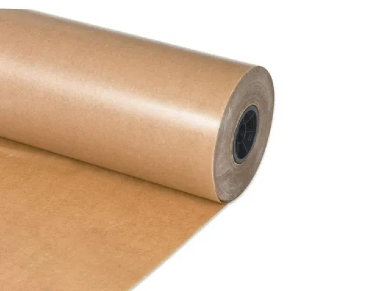
Beyond waterproofing, PE coated paper enhances the durability and functionality of various construction materials. Its unique properties make it an invaluable resource for manufacturers and builders. Let’s explore the key benefits:
The polyethylene coating on the paper gives it enhanced durability, making it much stronger and more resilient than untreated paper. This improved strength makes PE coated paper an ideal solution for packaging and protecting materials that will be exposed to wear and tear during transportation, handling, and storage.
For construction materials like insulation boards, PE coated paper serves as a durable and protective outer layer that shields the material from damage caused by external factors like moisture, dust, and dirt. This added durability ensures that the materials remain in optimal condition until they are ready to be used.
PE coated paper provides chemical resistance, making it an excellent choice for protecting construction materials that may come into contact with chemicals, oils, or solvents. In industrial applications where materials are exposed to various chemicals, PE coated paper can prevent these substances from contaminating the product or compromising its integrity.
For example, PE coated paper is often used in the packaging of adhesives, sealants, and other chemicals. The coating prevents these substances from leaking or reacting with the packaging, ensuring that the contents remain safe and usable.
When used as a protective layer for construction materials, PE coated paper significantly improves the strength of the materials. For example, PE coated paper used as a wrap around insulation or drywall helps to preserve the integrity of the material, preventing it from becoming damaged during shipping or storage.
The added strength of the paper also ensures that the material can withstand pressure and physical stress during handling without tearing or breaking, providing greater protection than uncoated materials.
PE coated paper can be customized to meet the specific needs of different construction applications. The thickness of the PE coating, as well as the type of paper used, can be adjusted to provide different levels of waterproofing, chemical resistance, and strength. This customization makes it a versatile material that can be tailored to suit a wide range of construction requirements.
For example, if a construction project involves materials that will be exposed to high levels of moisture, the paper’s coating can be adjusted to provide an even more robust waterproof barrier. Similarly, for packaging materials that need additional strength, the paper can be coated with a thicker layer of polyethylene to ensure maximum protection.
PE coated paper has a broad range of applications in both the construction industry and waterproofing projects. Here are some examples of how it is used:
As mentioned earlier, PE coated paper is frequently used in the creation of waterproofing membranes. These membranes are crucial for protecting buildings from water damage, particularly in foundations, roofs, and basements. The polyethylene coating provides a barrier that prevents moisture from seeping into the building materials, ensuring the integrity of the structure.
During construction, surfaces such as floors, walls, and windows need to be protected from damage due to moisture, debris, or accidental spills. PE coated paper is commonly used as a temporary cover for these surfaces. Its moisture resistance ensures that it provides a reliable barrier against water damage, and its durability allows it to remain intact during the construction process.
Construction materials, such as insulation, plywood, and cement bags, are often packaged using PE coated paper. The coating protects the materials from moisture and contaminants, ensuring that they remain in top condition until they are ready to be used.
PE coated paper is also used in the production of roofing materials, such as roof underlayment. The polyethylene coating provides waterproofing protection, which is essential for preventing water infiltration in roofing systems. These materials help keep the structure dry and free from water damage, extending the lifespan of the roof.
PE coated paper plays a crucial role in waterproof applications and the protection of construction materials. Its combination of strength, moisture resistance, and chemical protection makes it an indispensable material in various industries, from construction to packaging. By offering enhanced durability and superior performance, PE coated paper helps to ensure that products are protected from environmental factors during storage, transportation, and installation.


