


Views: 0 Author: Site Editor Publish Time: 2025-09-08 Origin: Site


Have you ever wondered what makes some packaging both eco-friendly and effective? Glassine paper is gaining popularity as a sustainable packaging alternative. This semi-transparent, smooth paper offers unique benefits like moisture resistance without harmful coatings. Understanding its manufacturing process and environmental impact is crucial for businesses seeking greener solutions. In this article, you'll learn about glassine's production, properties, and its role in eco-friendly packaging.
What is glassine paper?Glassine paper is a smooth, glossy, and semi-transparent paper made from wood pulp. Unlike regular paper, it undergoes a special process called supercalendering, which makes it dense and resistant to air, grease, and moisture. This unique treatment gives glassine its signature translucent appearance and protective qualities. Despite its delicate look, glassine is surprisingly strong and versatile.
Key characteristics and properties of glassine paper
Translucency: Allows partial visibility of contents inside packaging, useful for display purposes.
Smooth, glossy surface: Feels soft and almost “toothless,” making it gentle on delicate items like artwork or photographs.
Grease and moisture resistance: Naturally repels oils and moisture without coatings, keeping food and other products fresh.
Density and strength: Denser than standard paper, making it more tear-resistant and durable.
Acid-free and pH neutral: Safe for archival uses, preventing damage to stored documents or artwork over time.
Recyclable and biodegradable: Made purely from wood pulp, glassine breaks down naturally and can be recycled curbside.
Common uses and applicationsGlassine paper’s unique properties make it popular across many industries:
Food packaging: Wrapping baked goods, candies, and snacks to maintain freshness while providing a clear view.
Art and archival protection: Safeguarding photographs, prints, and delicate artworks from smudging or moisture damage.
Retail packaging: Presenting clothing, stationery, or gifts attractively while protecting from dust and grease.
Wholesale and industrial uses: Protecting textiles or metal parts during shipping to prevent rust or abrasion.
Craft and decorative applications: Used in scrapbooking, gift wrapping, or organizing collectibles due to its smooth texture and translucency.
Glassine’s eco-friendly nature and protective qualities make it a favored alternative to plastic and coated papers in many packaging scenarios.
Tip: When choosing packaging materials, consider glassine paper for products needing moisture and grease resistance combined with product visibility and eco-friendliness.
Glassine paper’s unique qualities come from a detailed manufacturing process. Each step plays a key role in creating its smooth, glossy, and translucent finish, along with moisture and grease resistance.
The process starts with hardwood trees like aspen, oak, or birch. These woods are chipped and cooked under pressure with chemicals. This breaks down the wood and separates cellulose fibers from lignin and other substances. Removing lignin is crucial. If lignin remains, the paper becomes brittle and discolors over time. Without lignin, the paper gains strength and clarity, essential for glassine’s signature look and durability.
Once the pulp is clean, it’s bleached and sometimes treated with dyes or pigments depending on the desired paper grade. The pulp slurry is spread onto a moving wire mesh. Water drains out, and the cellulose fibers bond, forming paper sheets. These sheets then pass through roller presses to squeeze out excess water, followed by drying machines to remove remaining moisture. This step is similar to regular paper production but sets the base for glassine’s further refinement.
What really sets glassine apart is the supercalendering step. The dried sheets pass through a series of highly polished rollers under heat and pressure. This process compresses the fibers, aligning them tightly and reducing the paper’s porosity. The result is a denser, smoother, and glossier sheet that resists air, grease, and moisture naturally—without coatings or additives. This step also gives glassine its translucent, “glass-like” appearance.
Supercalendering impacts many properties:
Density: Makes the paper stronger and more tear-resistant.
Smoothness: Creates a soft, toothless surface ideal for delicate items.
Glossiness: Enhances visibility and presentation.
Barrier qualities: Improves resistance to grease, moisture, and air.
Each part of the process shapes glassine’s final performance. Removing lignin ensures clarity and durability. Proper sheet formation and drying keep the fibers bonded and stable. The supercalendering step is critical for creating the paper’s unique density and smoothness, which provide its protective qualities.
The degree of supercalendering also controls glassine’s weight, thickness, and translucency. Higher pressure and more roller passes create denser, glossier paper. Lower pressure or fewer passes yield a less refined product with reduced clarity and barrier properties.
In summary, glassine paper’s manufacturing is a balance of chemical treatment and mechanical finishing. This balance produces a strong, smooth, and translucent paper that’s naturally resistant to grease, moisture, and air—perfect for eco-friendly packaging needs.
Tip: When sourcing glassine paper, ask suppliers about their supercalendering process details, as this directly affects the paper’s density, clarity, and protective performance for your packaging applications.
When choosing packaging materials, understanding how glassine compares to other papers helps make better decisions. Glassine stands out due to its unique manufacturing and properties, but it’s useful to see how it stacks up against standard paper, parchment, vellum, and wax paper.
Moisture and Grease Resistance: Glassine naturally resists grease, moisture, and air thanks to supercalendering, unlike standard paper, which absorbs moisture and stains easily.
Strength and Density: Glassine is denser and stronger, making it more tear-resistant. Standard paper tends to be lighter and less durable.
Surface Texture: Glassine has a smooth, glossy surface that feels soft and toothless. Standard paper usually has a rougher texture.
Translucency: Glassine is semi-transparent, allowing partial visibility of contents, while standard paper is opaque.
Recyclability: Both are recyclable, but glassine’s smooth surface allows it to resist contamination better.
Material and Treatment: Parchment paper is treated with silicone for heat resistance and non-stick properties, making it ideal for baking. Glassine is untreated, relying on fiber compression for its barrier properties.
Recyclability: Glassine is recyclable and biodegradable; parchment paper often isn’t recyclable due to silicone coatings.
Heat Resistance: Parchment withstands oven temperatures; glassine does not.
Use Cases: Parchment suits cooking; glassine suits packaging and protection.
Vellum: Traditionally made from animal skins but now often from treated fibers. It is translucent but more delicate and less resistant to grease and moisture than glassine.
Wax Paper: Coated with wax, it repels moisture and grease but isn’t recyclable or biodegradable. Glassine avoids coatings, making it more eco-friendly.
Durability: Glassine is stronger and less prone to tearing than vellum and wax paper.
Environmental Impact: Glassine is more sustainable due to its natural fiber composition and recyclability.
No Coatings Needed: Glassine’s supercalendered fibers provide natural grease and moisture resistance without wax or silicone.
Eco-Friendly: Fully recyclable and biodegradable, unlike wax and parchment papers.
Product Visibility: Its translucency allows customers to see packaging contents, enhancing presentation.
Archival Safety: Acid-free and pH neutral, glassine is safe for long-term storage of artwork or documents.
Versatility: Suitable for food, retail, art protection, and industrial uses.
Glassine offers a unique balance of strength, protection, and sustainability that many other specialty papers lack. Its natural resistance to grease and moisture, combined with recyclability, makes it a preferred choice for eco-conscious businesses.
Tip: When selecting paper for packaging, opt for glassine if you need natural grease resistance, translucency, and eco-friendliness without coatings.
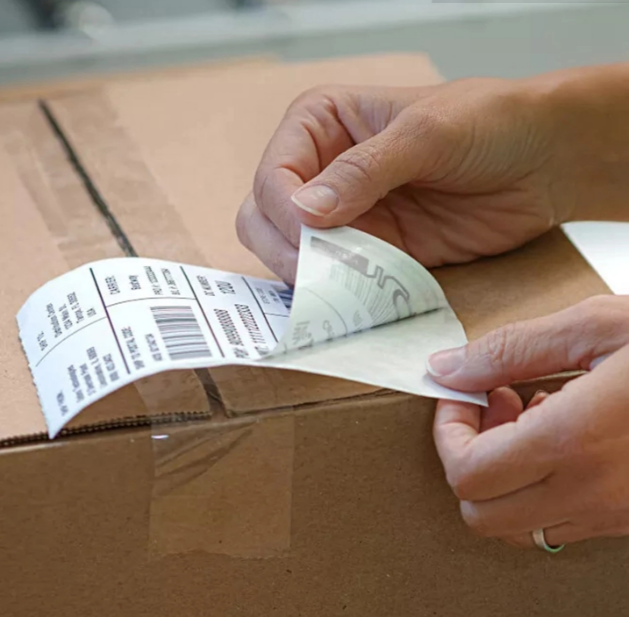
Glassine paper is often praised for its eco-friendly qualities, but understanding its full environmental impact requires a closer look at its sustainability, recyclability, biodegradability, and challenges compared to other packaging materials.
Glassine paper is made from renewable wood pulp, mainly sourced from hardwood trees like birch, oak, or aspen. This renewable origin makes it a more sustainable choice than fossil-fuel-based plastics. It requires no chemical coatings or additives to achieve its moisture and grease resistance, thanks to the supercalendering process. This absence of coatings means the paper stays natural and easier to recycle or break down.
Many manufacturers offer FSC® certified glassine, ensuring the wood pulp comes from responsibly managed forests, reducing deforestation risks. Additionally, glassine’s ability to protect food and other products helps reduce waste by extending shelf life and preventing spoilage.
Glassine paper is fully recyclable through curbside programs in many locations, provided it is clean and free from food residues or contaminants. Unlike waxed or silicone-coated papers, glassine does not require special recycling streams. Its smooth, dense fibers resist grease penetration, reducing contamination issues during recycling.
Biodegradability is another strong point. Glassine breaks down naturally in composting environments, whether industrial or home compost setups. It decomposes much faster than plastics, returning nutrients to the soil without leaving microplastics or toxins behind.
Despite its green credentials, glassine paper has some environmental drawbacks. It is generally produced from virgin fibers rather than recycled pulp. This is because the long, strong fibers needed for glassine’s density and strength are difficult to obtain from recycled sources. Using virgin pulp increases pressure on forests and natural resources.
The supercalendering process requires high heat and pressure, which consumes significant energy. This energy use contributes to a higher carbon footprint compared to standard paper or thin plastic films. In fact, glassine’s production footprint can be notably larger than that of polyethylene films, even if it offers better end-of-life options.
Water consumption during pulp preparation and paper making is also considerable. Glassine’s manufacturing process uses more water than producing plastic films, which adds to its environmental impact.
When stacked against plastic films like polyethylene (PE), glassine is superior in biodegradability and recyclability. Plastic bags often end up in landfills or oceans, persisting for hundreds of years and harming wildlife. Glassine decomposes in months, making it a safer choice for the environment.
Compared to wax paper or parchment, glassine avoids chemical coatings that hinder recyclability and composting. Wax paper, coated with paraffin wax, and parchment paper, often silicone-coated, are less eco-friendly due to these additives.
However, plastics still have advantages in durability, moisture barrier strength, and lower production carbon footprints. For some heavy-duty or wet packaging, plastics remain more practical, though innovations in biodegradable plastics are ongoing.
Tip: When choosing packaging, weigh glassine’s renewable, recyclable, and biodegradable benefits against its virgin fiber use and production energy to make balanced, eco-conscious decisions.
Glassine paper’s unique blend of translucency, strength, and natural resistance to grease and moisture makes it an exceptional choice across many industries. Its versatility allows it to protect, preserve, and present products while aligning with sustainability goals.
Glassine is widely used in food packaging because it naturally resists grease and moisture without coatings. Bakers wrap pastries, cookies, and candies in glassine to keep items fresh and visually appealing. Its translucency lets customers glimpse the product inside, enhancing shelf appeal. Glassine also serves as interleaving paper between food layers, preventing sticking and preserving texture. Unlike plastic wraps, glassine reduces plastic waste and is biodegradable, making it ideal for eco-conscious brands.
Artists, photographers, and archivists rely on glassine to protect delicate items. Its smooth, acid-free surface prevents smudging, scratches, or moisture damage on prints, drawings, and photographs. Glassine envelopes or sleeves safely store artworks long-term without yellowing or degrading. Museums and galleries use glassine to separate and preserve fragile materials, ensuring longevity. Its transparency allows easy viewing without handling, reducing wear.
Retailers use glassine bags and wraps to package apparel, stationery, and gifts. The paper’s semi-transparency creates an elegant presentation, allowing customers to see products without opening packaging. Glassine protects items from dust, grease, and moisture during shipping and display. Wholesale suppliers package textiles or small parts in glassine to prevent abrasion and contamination. Its natural grease resistance means fewer plastic liners are needed, reducing packaging waste.
In industry, glassine acts as an interleaving paper to protect metal sheets, glass, or ceramics during transport, preventing scratches or corrosion. Its grease resistance helps shield parts from oils and dirt. In decorative crafts, glassine is popular for scrapbooking, gift wrapping, and organizing collectibles. Its smooth texture and translucency add aesthetic value to projects while providing protection.
Tip: For businesses seeking sustainable packaging, consider glassine paper to protect products naturally while enhancing presentation and reducing plastic use.
Sustainability continues to shape packaging trends worldwide. Consumers and businesses alike demand materials that reduce environmental impact. Glassine paper fits perfectly into this movement. Its natural origins, recyclability, and biodegradability align with growing eco-conscious values. Brands increasingly seek packaging that is plastic-free yet functional and attractive. Glassine’s translucency and grease resistance make it a favored choice for showcasing products while minimizing waste.
Moreover, regulations worldwide push companies to adopt greener packaging solutions. Bans on single-use plastics and incentives for recyclable materials encourage wider glassine adoption. The rise of zero-waste stores and sustainable e-commerce packaging also boosts glassine’s popularity. As awareness grows, glassine paper is becoming a mainstream alternative to plastic wraps and coated papers.
The future holds exciting possibilities for glassine paper technology. Researchers and manufacturers work to enhance its properties while lowering environmental costs. Some promising innovations include:
Increased recycled content: Currently, glassine mainly uses virgin fibers for strength. New pulping techniques may allow more recycled fibers without sacrificing quality. This shift would reduce forest resource pressure.
Energy-efficient supercalendering: Developing lower-energy processes could cut carbon footprints during production. Using renewable energy sources in mills also helps.
Functional coatings from natural sources: While glassine resists grease and moisture naturally, adding biodegradable coatings might improve barrier properties for wet or oily products.
Customizable finishes: Advances in printing and embossing on glassine could expand branding options, making it more versatile for marketing.
Integration with compostable adhesives and inks: Ensuring all packaging elements remain eco-friendly supports circularity.
Such improvements will make glassine paper more competitive and adaptable to diverse packaging needs.
Businesses aiming for sustainability can integrate glassine paper effectively by following these steps:
Evaluate product suitability: Determine if glassine’s moisture and grease resistance meet your product’s protection needs. It works well for dry or moderately moist goods.
Source certified glassine: Choose suppliers offering FSC® certified or responsibly sourced glassine to ensure forest sustainability.
Design with translucency in mind: Use glassine’s semi-transparent nature to highlight product features and enhance customer experience.
Combine with other eco-friendly materials: Pair glassine with recycled cardboard boxes or compostable labels for a fully sustainable package.
Educate customers: Promote glassine’s environmental benefits to build brand loyalty and encourage proper recycling or composting.
Test packaging performance: Conduct trials to confirm durability, shelf life, and aesthetic appeal before full-scale adoption.
Monitor supply chain impact: Track environmental benefits and identify areas for further improvement.
By adopting glassine paper thoughtfully, companies can reduce plastic waste, meet regulatory requirements, and appeal to eco-conscious consumers.
Tip: Incorporate FSC® certified glassine paper into your packaging to combine sustainability with product visibility and consumer appeal while preparing for future eco-friendly regulations.
Glassine paper offers unique benefits, including translucency, strength, and natural resistance to grease and moisture. However, its production involves energy-intensive processes and uses virgin fibers, presenting environmental challenges. Despite this, glassine plays a crucial role in sustainable packaging solutions, providing an eco-friendly alternative to plastics. As companies like Hengmu continue to innovate, glassine's potential in reducing plastic waste and enhancing product presentation becomes increasingly significant. It aligns with the growing demand for sustainable and attractive packaging options.
A: Glassine paper is used for food packaging, art protection, retail packaging, and industrial applications due to its grease and moisture resistance, translucency, and eco-friendliness.
A: Glassine paper is manufactured through pulping, lignin removal, sheet formation, drying, and supercalendering, which gives it its smooth, translucent, and moisture-resistant properties.
A: Glassine paper is eco-friendly because it is made from renewable wood pulp, is fully recyclable, biodegradable, and does not require chemical coatings for moisture resistance.


